By Estes Park Team Realty
Clients often ask us where to look once they realize elk wander through downtown just as easily as through the park itself. Estes Park sits surrounded on three sides by the national park and bordered by national forest on the fourth, which means wildlife habitat essentially begins right at the edge of town.
We put together this guide based on the spots and seasons we recommend most often to friends and clients getting to know the area.
Key Takeaways
- Elk: Herds are visible year-round, with fall rut season drawing the most attention.
- Bighorn sheep: Sheep Lakes offers close viewing from May through mid-August.
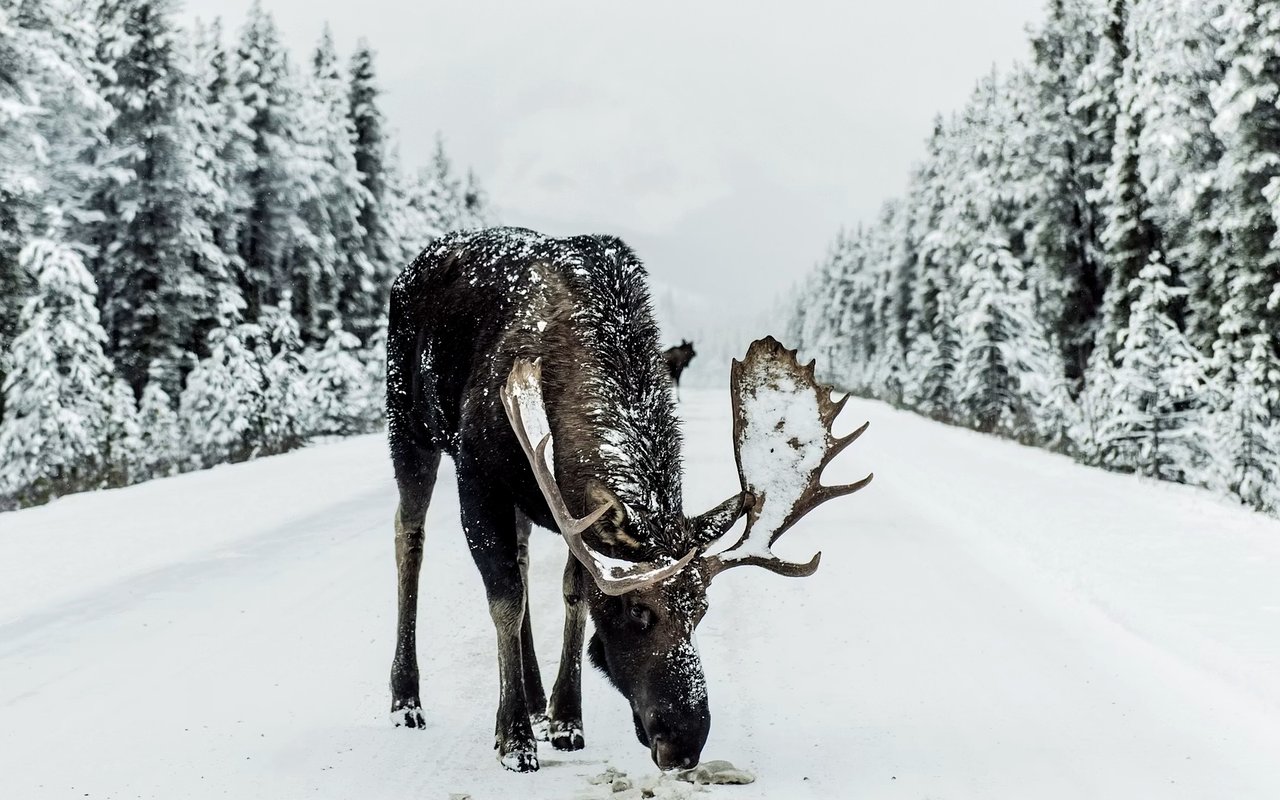
- Moose: The park's west side and wetland areas support a growing moose population.
- Etiquette: Keeping a respectful distance protects both visitors and the animals themselves.
Elk: The Star Attraction of Estes Park
Elk represent the most reliable and recognizable wildlife sighting throughout Estes Park and the surrounding national park.
- Moraine Park and Horseshoe Park: These meadow areas offer consistent elk sightings, especially at dawn and dusk.
- Downtown Estes Park: Elk regularly wander through town, including golf courses and open lawns.
- Fall rut season: From September through October, bull elk bugle and compete for mates in dramatic fashion.
These sightings happen throughout the year, though the fall rut draws the most dedicated wildlife watchers. Wildlife in Estes Park CO almost always starts with an elk sighting for first-time visitors exploring the area.
Bighorn Sheep at Sheep Lakes
Bighorn sheep serve as one of the signature large mammals within Rocky Mountain National Park, and Sheep Lakes offers one of the best places to see them.
- Sheep Lakes location: This meadow sits within Horseshoe Park and takes its name from the sheep that gather there.
- Peak viewing season: Sheep descend from rocky slopes to the mineral-rich lakes mainly from May through mid-August.
- Ranger-managed crossings: Rangers sometimes pause traffic to let sheep cross the road safely during peak season.
This spot offers some of the closest bighorn sheep viewing available anywhere near town. Timing a visit for late spring or early summer gives the best chance of seeing them up close.
Moose in the Wetter West-Side Habitats
Moose sightings have become increasingly common in recent years, particularly in the park's wetter western habitats.
- Kawuneeche Valley: This area along Trail Ridge Road's western side supports a notable moose population.
- Willow thickets and wetlands: Moose favor these denser, wetter habitats throughout the region.
- Spring viewing window: Mid-April through early June generally offers the best chance of a close sighting.
Moose remain less predictable than elk or bighorn sheep, which makes each sighting feel like a genuine highlight. Patience and a bit of luck go a long way toward spotting one of these massive animals.
Birds of Prey and Waterfowl Around Lake Estes
Beyond the larger mammals, Estes Park offers genuinely excellent birdwatching throughout the year.
- Lumpy Ridge nesting raptors: Prairie falcons, red-tailed hawks, and peregrine falcons nest among these cliffs.
- Matthews-Reeser Bird Sanctuary: This spot along Lake Estes attracts mallards, teal, herons, and other waterfowl.
- Fall migratory activity: Migratory waterfowl return to the Lake Estes area as the season shifts each fall.
A simple pair of binoculars and a basic bird guide are all that is really needed to get started. Even visitors who have never considered themselves birdwatchers tend to enjoy the activity here.
Best Viewing Spots Within Rocky Mountain National Park
A handful of specific locations within the park consistently produce the most reliable wildlife sightings.
- Moraine Park: This sweeping meadow area draws frequent elk movement during calm morning and evening hours.
- Horseshoe Park: This U-shaped valley supports both elk and bighorn sheep depending on the season.
- Trail Ridge Road: This scenic drive offers access to higher-elevation habitat favored by moose and bighorn sheep.
Visiting these spots during early morning or early evening consistently produces the best results. Combining a few of these locations into a single outing gives visitors a well-rounded introduction to the area's wildlife.
Wildlife Viewing Etiquette and Distance Guidelines
Enjoying wildlife responsibly means understanding a few basic guidelines before heading out.
- Maintain recommended distances: Rangers recommend staying at least 75 feet from elk and bighorn sheep and further from moose and bears.
- Never approach or feed animals: Keeping wildlife wild protects both visitors and the animals themselves.
- Stay alert during sensitive seasons: Fall rut and spring calving periods call for extra caution and distance.
Following these guidelines helps ensure a positive experience for both visitors and the wildlife itself. A little preparation goes a long way toward making every sighting a comfortable one for everyone involved.
FAQs
What is the best time of year to see elk in Estes Park?
Elk are visible year-round, though the fall rut season from September through October offers the most dramatic viewing. Spring calving season in late May and June also draws interest from wildlife watchers.
Are moose common in Estes Park itself, or mainly in the national park?
Moose sightings occur more frequently on the park's western side, particularly in the Kawuneeche Valley, rather than directly in town. Sightings closer to Estes Park itself remain less common but have increased in recent years.
Do I need a guide to see wildlife, or can I explore on my own?
Many visitors see plenty of wildlife on their own by visiting known hotspots like Moraine Park and Sheep Lakes during early morning or evening hours. Guided tours can offer additional expertise and access to spotting scopes for more distant sightings.
Reach Out to Estes Park Team Realty
Wildlife access is one of the details we talk about often with clients considering a move to Estes Park, since it genuinely shapes daily life here in a way few other places can match. We spend enough time driving around town and out toward Rocky Mountain National Park that wildlife sightings have become a regular part of our day.
Reach out to us at Estes Park Team Realty, and we'll be happy to share more of our favorite wildlife in Estes Park CO has to offer as you get to know the area.
Reach out to us at Estes Park Team Realty, and we'll be happy to share more of our favorite wildlife in Estes Park CO has to offer as you get to know the area.