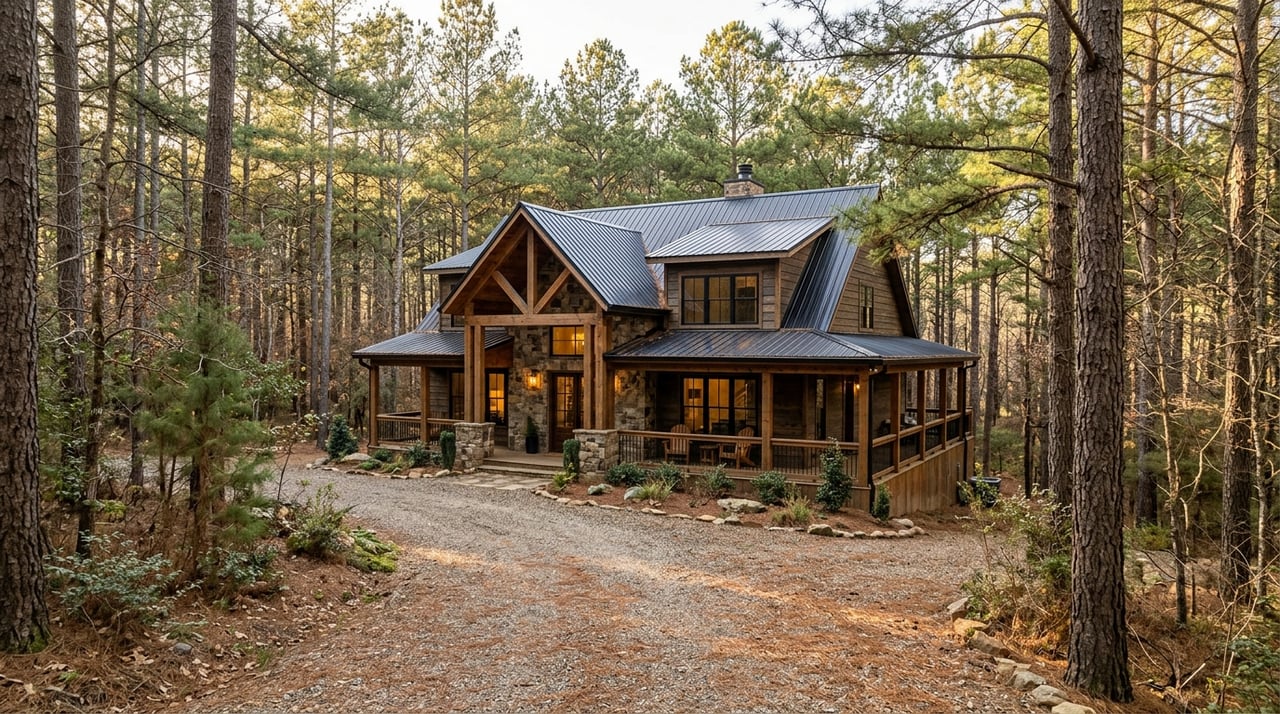
Dreaming of a mountain home where quiet mornings, tall pines, and easy access to trails matter more than busy retail corridors? Allenspark offers exactly that kind of setting. If you are looking for a retreat near Estes Park, this small Boulder County community stands out for its privacy, scenery, and strong connection to the outdoors. Here is what you should know before deciding whether Allenspark fits the way you want to live.
Why Allenspark Feels Different
Allenspark is an unincorporated community in northwest Boulder County with a population of 528 and ZIP code 80510. Boulder County notes that the town was established in 1870 during the gold rush, and today it remains a small mountain community with a distinctly tucked-away feel.
Part of that feeling comes from the landscape itself. County planning materials describe the broader Allenspark area as about 30,000 acres, with roughly 87% of the land in the public domain and open to the public. The built environment is spread across about 40 square miles, so homes and cabins are often more dispersed than what you would find in a typical town setting.
Allenspark’s Mountain Setting
Allenspark’s townsite sits at about 8,500 feet. It lies between the Front Range urban corridor and the wilderness to the west, with Rocky Mountain National Park and the Indian Peaks Wilderness shaping the area’s western edge.
That location gives Allenspark a true retreat character. You are close to Estes Park, but daily life here feels quieter, more rural, and more closely tied to the mountain environment. For many buyers, that balance is the main appeal.
Outdoor Access Near Allenspark
For outdoor-minded buyers, Allenspark’s location is a major advantage. The community sits on the Peak to Peak Scenic and Historic Byway corridor, which Colorado tourism identifies as the state’s oldest scenic byway.
State Highways 7 and 72 form the Peak-to-Peak segment through the area, which means the drive itself is part of the lifestyle. Whether you are heading toward Estes Park or simply enjoying the scenery close to home, this route helps define the area’s day-to-day experience.
Wild Basin Access
One of the biggest draws is access to the Wild Basin area of Rocky Mountain National Park. The National Park Service says the Wild Basin Entrance Station is about 19 miles south of Estes Park on Highway 7, making it a convenient option for hikers and nature lovers in the Allenspark area.
The Wild Basin area includes well-known hikes such as Copeland Falls, Calypso Cascades, and Ouzel Falls. Rocky Mountain National Park as a whole offers more than 350 miles of trails, giving you a wide range of options for day hikes, longer outings, and repeat visits throughout the year.
Park Access Planning
If Rocky Mountain National Park is a big reason you are considering Allenspark, it helps to plan ahead. The National Park Service requires an entrance fee or pass for park entry, including Wild Basin.
The park’s timed-entry reservation system currently applies from May 22 through October 12, 2026 for daytime access. Trail Ridge Road, the scenic route connecting Estes Park and Grand Lake, is typically closed in winter from mid-October through late May and is busiest during summer.
What Daily Life Looks Like
Allenspark is not a mountain suburb, and that is exactly why many people love it. Boulder County describes commercial services in the area as very limited, which supports the calm, low-key atmosphere many retreat-minded buyers want.
Because Allenspark is unincorporated, Boulder County handles local ordinances and regulations rather than a town government. County materials also note that the townsite has a public water source, while many outlying properties rely on wells and individual wastewater treatment systems.
A More Self-Sufficient Lifestyle
Living here usually means getting comfortable with a more self-directed rhythm. Boulder County operates an Allenspark transfer station and recycling drop-off, but the county does not provide residential hauling service in unincorporated areas.
That practical detail says a lot about the lifestyle. Allenspark often appeals to buyers who value independence, privacy, and a mountain setting enough to embrace a little more hands-on property care.
Seasons Matter in Allenspark
In mountain communities, weather is not just background scenery. It shapes how you drive, maintain property, plan errands, and enjoy the outdoors.
The National Park Service notes that weather can change quickly in Rocky Mountain National Park because of elevation. At the nearby NOAA station in Estes Park 3 SSE, the average January temperature is 26.6°F, the average July temperature is 64.2°F, and annual snowfall is about 104 inches.
Since Allenspark’s townsite sits higher at around 8,500 feet, buyers should expect a winter-oriented mountain environment. If you are considering a home here, it is wise to think through seasonal access, snow management, and how often you want to travel during winter and shoulder seasons.
Housing Style in Allenspark
Allenspark’s housing character reflects its long history as a mountain getaway. Boulder County history and preservation documents describe the area as a vacation and recreation destination known for summer cabins, lodges, mercantiles, and later a mix of summer and winter visitors.
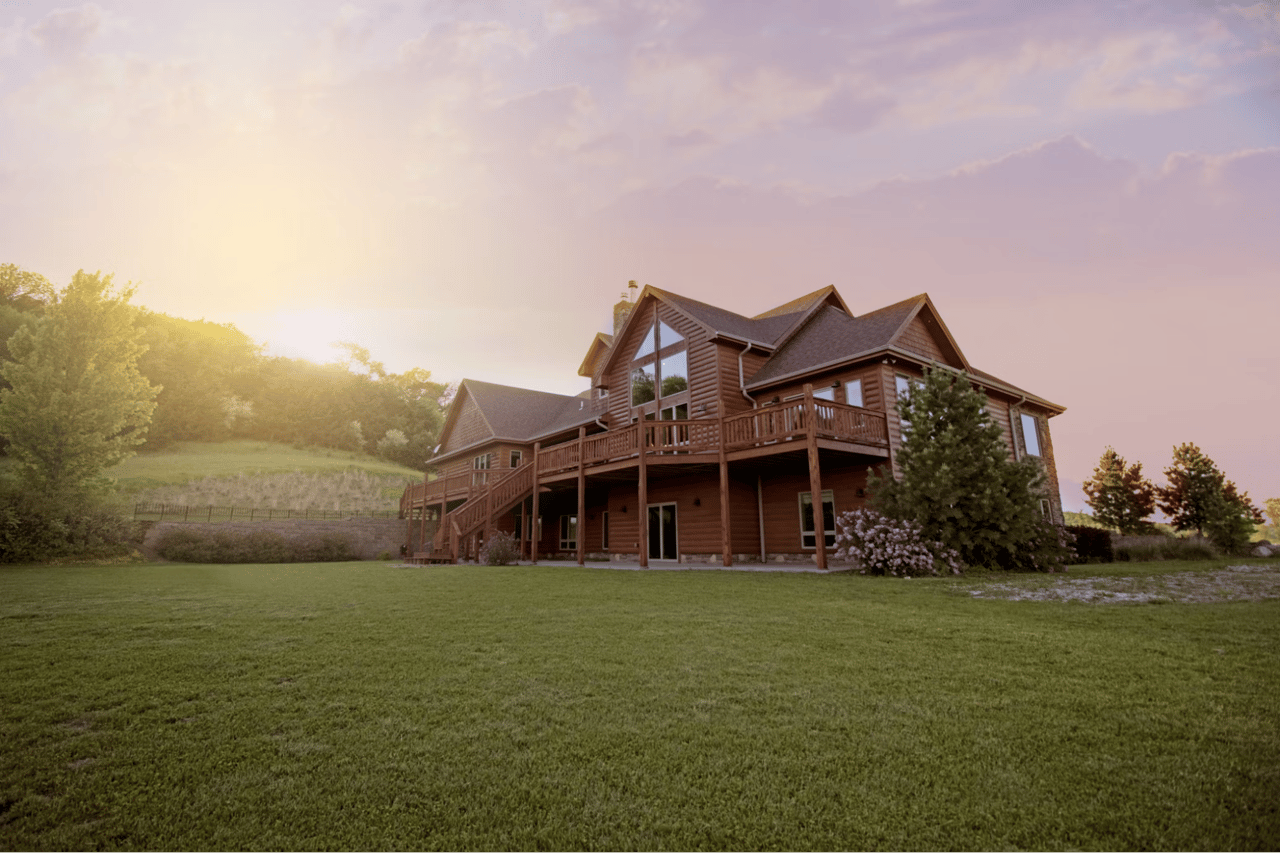
That history still shows up in the homes you see today. County preservation records document rustic cabins as part of the community’s development, and county planning guidance supports a mix of traditional rustic and modern mountain architecture.
What Buyers Can Expect
Instead of one uniform housing type, you are more likely to find a range of options such as:
- Older cabins with historic mountain character
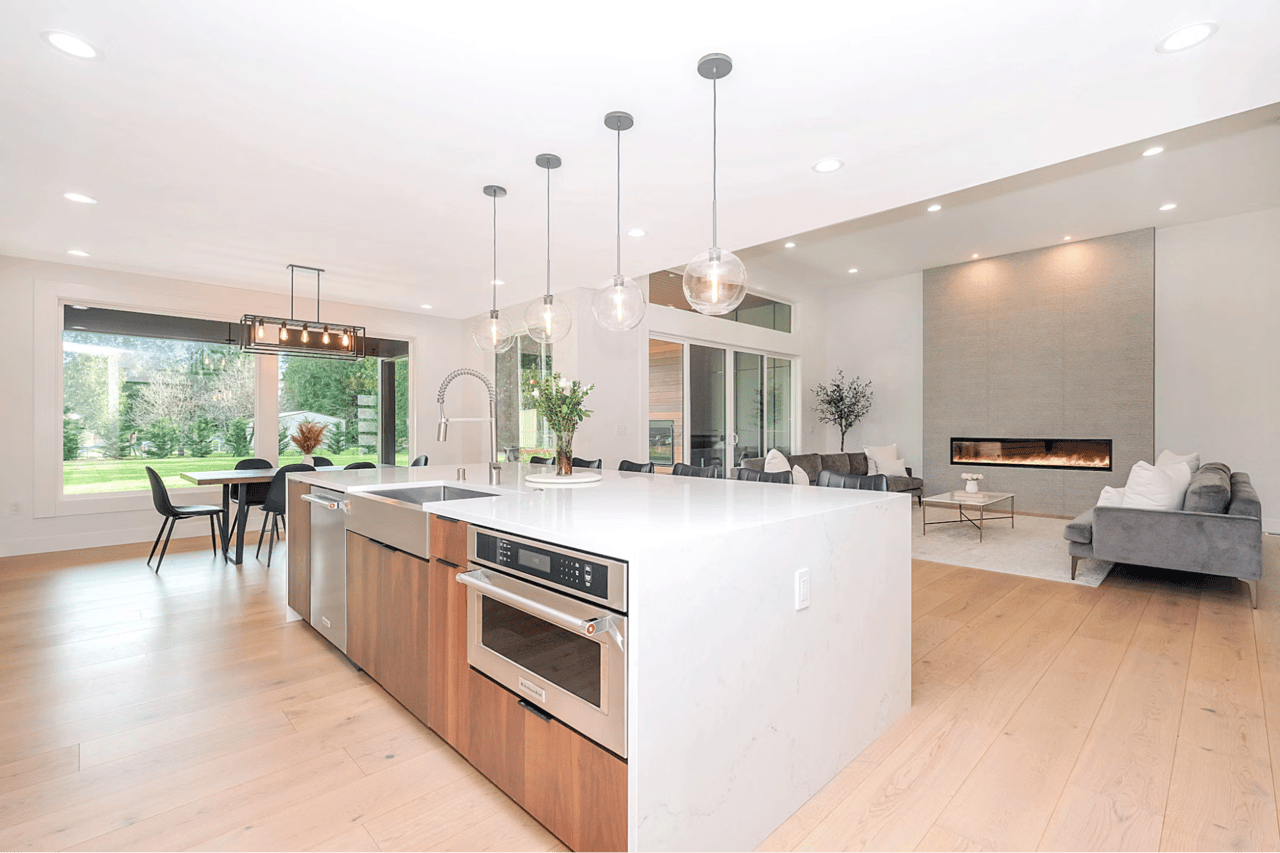
- Renovated properties with updated kitchens, baths, and systems
- Custom mountain homes with wood, stone, and view-oriented design
- Seasonal residences and homes on larger, scattered parcels
County planning materials describe the area as having widely scattered residential properties, many homes and seasonal residences, and relatively limited undeveloped private land. In practical terms, that often means the housing search is less about subdivision-style inventory and more about finding the right fit for your lifestyle and priorities.
Who Allenspark Fits Best
Allenspark is a strong match for buyers who want a quieter mountain setting near Estes Park without needing a walkable retail core. It can work especially well for full-time residents seeking privacy, second-home buyers wanting a retreat, and people who value trail access and a slower pace.
It may be less ideal if your top priority is convenience, dense services, or easy access to an urban-style daily routine. The area’s appeal is rooted in seclusion, scenery, and outdoor access, not in having many nearby commercial amenities.
Questions to Ask Yourself
Before buying in Allenspark, consider whether you are comfortable with:
- Limited local commercial services
- Mountain roads and changing weather
- Property systems that may include wells or individual wastewater treatment
- More independent property upkeep than you might expect in town
- A home search shaped by unique parcels and varied housing styles
For the right buyer, those are not drawbacks. They are part of the reason Allenspark feels special.
Why Nearby Estes Park Still Matters
Even though Allenspark has its own identity, many buyers also think about its relationship to Estes Park. Being near Estes Park can give you access to a broader range of services, dining, shopping, and year-round activity while still allowing you to come home to a quieter setting.
That mix is part of what makes Allenspark appealing in the local mountain market. You can enjoy a more secluded home base while staying connected to the Estes Valley and Rocky Mountain National Park.
The Bottom Line on Allenspark Living
If your idea of home includes mountain air, a slower pace, and a stronger connection to the landscape, Allenspark deserves a close look. This is a place shaped by history, elevation, open land, and outdoor access, with housing that ranges from rustic cabins to more updated mountain homes.
The key is knowing what kind of lifestyle you want. If you are drawn to privacy, trail access, and a retreat-like setting near Estes Park, Allenspark may feel like the right fit from the moment you arrive.
When you are ready to explore homes, cabins, land, or second-home opportunities in Allenspark and the surrounding mountain communities, Estes Park Team Realty offers the local knowledge and practical guidance to help you move forward with confidence.
FAQs
What is Allenspark, Colorado like for full-time living?
- Allenspark offers a quiet, rural mountain lifestyle with limited commercial services, dispersed homes, strong outdoor access, and conditions that require comfort with weather, seasonal changes, and more self-sufficient property care.
How close is Allenspark to Rocky Mountain National Park?
- Allenspark is near the Wild Basin area of Rocky Mountain National Park, with the Wild Basin Entrance Station located about 19 miles south of Estes Park on Highway 7.
What kind of homes are common in Allenspark?
- Buyers in Allenspark will typically see a mix of older cabins, renovated mountain properties, custom homes, and seasonal residences on scattered parcels rather than uniform subdivision-style housing.
Does Allenspark have town utilities and services?
- Boulder County says the townsite has a public water source, while many outlying properties rely on wells and individual wastewater treatment systems, and local commercial services are very limited.
Is Allenspark a good fit for a second home near Estes Park?
- Allenspark can be a strong option for second-home buyers who want privacy, mountain scenery, and access to trails, and who are comfortable with a quieter setting and fewer nearby services.
What should buyers know about weather in Allenspark?
- Buyers should expect a mountain climate with quick weather changes, cool temperatures, and significant snowfall in the broader area, which makes seasonal planning and winter readiness important.