By Estes Park Team Realty
Estes Park sits at roughly 7,500 feet above sea level, with Rocky Mountain National Park as its backdrop and the Big Thompson River threading through town. The built environment here reflects a straightforward reality: when you live this close to one of the most dramatic landscapes in the country, the architecture tends to respond. The styles you'll encounter in Estes Park range from century-old rustic lodges to contemporary mountain homes, and each one tells you something about how people have chosen to live alongside the mountains over time.
If you're considering buying a home here, understanding the dominant architectural styles is more than an aesthetic exercise. It shapes how a home performs in this climate, what kind of maintenance concerns you can expect to encounter, and how a property sits within its surroundings. Some buyers come to Estes Park with a specific style in mind; others discover their preferences only after spending time in different homes. Either way, knowing what's out there gives you a meaningful head start.
Key Takeaways
- Rustic log and timber frame construction remains one of the most popular styles in Estes Park real estate, prized for its visual character and structural durability.
- Mountain Craftsman homes combine classic architectural detail with materials suited to alpine conditions.
- Contemporary mountain design prioritizes views, natural light, and energy performance in ways older styles do not.
- Storybook and early resort-era cottages represent a distinct slice of local history and offer unique character for buyers drawn to older homes.
- Each style carries its own maintenance profile, and understanding those differences before you buy can save you considerable time and expense.
Rustic Log and Timber Frame Homes
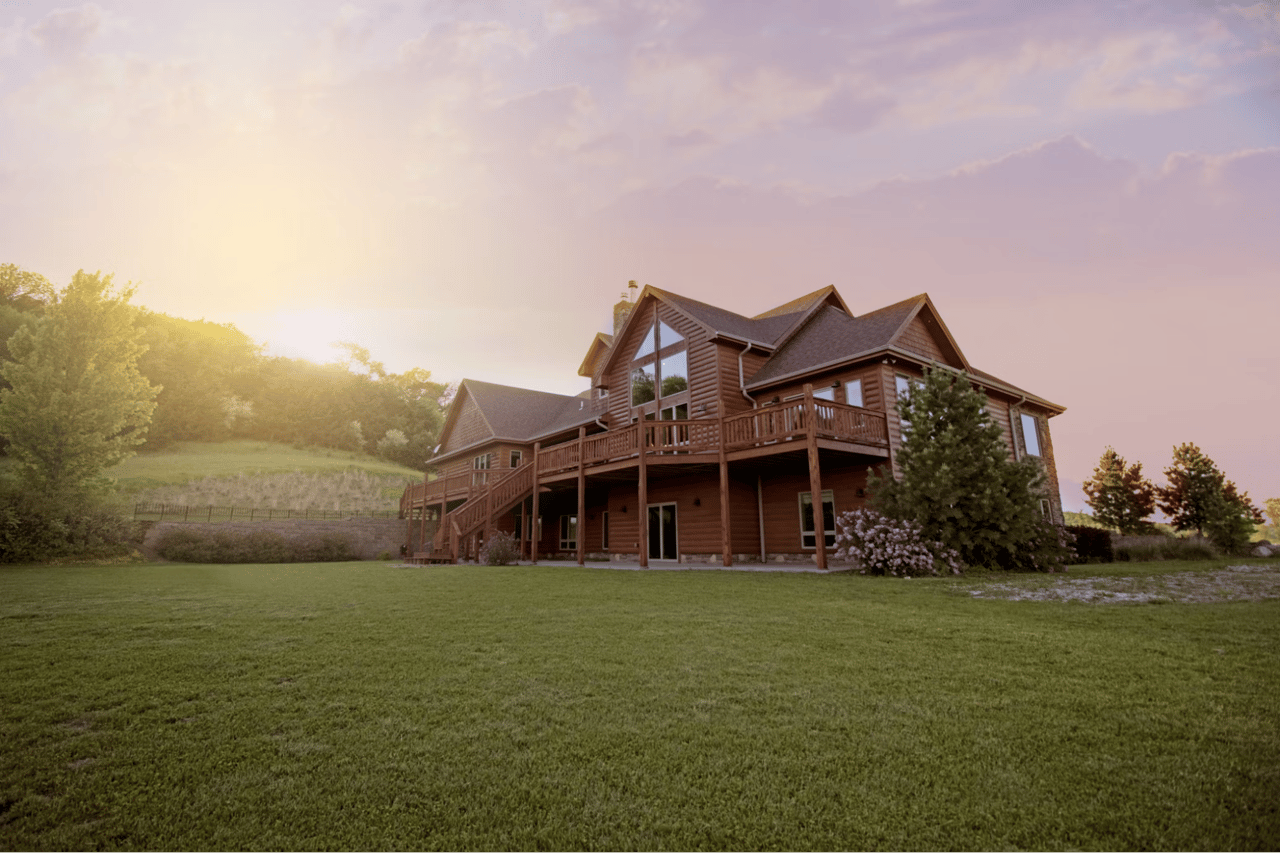
Log construction has deep roots in Estes Park real estate. The earliest permanent structures in the area were built with materials that came directly from the surrounding landscape, and that tradition carried forward through the resort and tourism boom of the early twentieth century.
Today, log homes and timber frame structures remain among the most sought-after properties in the area, both for their visual connection to the mountain setting and for the way they age.
Full log construction uses horizontal logs stacked to form exterior walls, with chinking material filling the gaps between them. Timber frame homes use a post-and-beam skeleton that's exposed on the interior, creating soaring ceiling lines and an open structural aesthetic. Both approaches produce homes that feel grounded in their surroundings in a way that other styles don't always achieve at this elevation. The weight and warmth of the materials work with the landscape rather than against it.
From a practical standpoint, log and timber frame homes require attentive upkeep. Logs need to be inspected and treated periodically to prevent moisture intrusion and UV degradation, while chinking should be checked for gaps. Buyers drawn to these homes should budget for ongoing maintenance and, when viewing properties, look carefully at the condition of the logs, the sealant, and any south- or west-facing elevations that receive the most sun and wind exposure.
Today, log homes and timber frame structures remain among the most sought-after properties in the area, both for their visual connection to the mountain setting and for the way they age.
Full log construction uses horizontal logs stacked to form exterior walls, with chinking material filling the gaps between them. Timber frame homes use a post-and-beam skeleton that's exposed on the interior, creating soaring ceiling lines and an open structural aesthetic. Both approaches produce homes that feel grounded in their surroundings in a way that other styles don't always achieve at this elevation. The weight and warmth of the materials work with the landscape rather than against it.
From a practical standpoint, log and timber frame homes require attentive upkeep. Logs need to be inspected and treated periodically to prevent moisture intrusion and UV degradation, while chinking should be checked for gaps. Buyers drawn to these homes should budget for ongoing maintenance and, when viewing properties, look carefully at the condition of the logs, the sealant, and any south- or west-facing elevations that receive the most sun and wind exposure.
What To Look For in Log and Timber Frame Properties
- Evidence of recent staining or sealant treatment on exterior logs, which protects against moisture and UV damage.
- Chinking condition around all log joints, with particular attention to corners and low-to-grade areas where moisture collects.
- Interior beam connections and any visible signs of settling, checking, or separation at joint points.
- Roof overhangs, which are especially important in log homes for keeping water away from the log wall system.
- Documentation of pest inspections, as log construction can be vulnerable to wood-boring insects without regular preventive treatment.
Mountain Craftsman and Arts-and-Crafts Influenced Homes
Craftsman architecture came to prominence in the early twentieth century as a reaction against the overly ornate Victorian building style, favoring honest materials, handmade detail, and a connection between interior and exterior spaces.
In mountain settings like Estes Park, that sensibility translated naturally. You'll find homes with low-pitched rooflines, wide covered porches supported by tapered columns, exposed rafter tails, and a material palette that favors stone, wood, and cedar shingle.
What makes Craftsman-influenced homes appealing in this market is how well their design conventions hold up in an alpine environment. Wide roof overhangs protect walls from snow and rain. Covered porches create transitional spaces between inside and outside that work across three seasons. Stone foundation elements and chimney details give the homes visual mass that reads well against a rocky, wooded backdrop.
Many of the Craftsman-style homes you'll see in Estes Park were built between the 1920s and the 1960s, and they carry the patina of age in ways that can be charming or complicated depending on the property's maintenance history. Updated versions tend to layer modern systems into the traditional exterior form, giving buyers the character of the style with contemporary performance.
In mountain settings like Estes Park, that sensibility translated naturally. You'll find homes with low-pitched rooflines, wide covered porches supported by tapered columns, exposed rafter tails, and a material palette that favors stone, wood, and cedar shingle.
What makes Craftsman-influenced homes appealing in this market is how well their design conventions hold up in an alpine environment. Wide roof overhangs protect walls from snow and rain. Covered porches create transitional spaces between inside and outside that work across three seasons. Stone foundation elements and chimney details give the homes visual mass that reads well against a rocky, wooded backdrop.
Many of the Craftsman-style homes you'll see in Estes Park were built between the 1920s and the 1960s, and they carry the patina of age in ways that can be charming or complicated depending on the property's maintenance history. Updated versions tend to layer modern systems into the traditional exterior form, giving buyers the character of the style with contemporary performance.
Craftsmanship Details Worth Examining
- Porch columns, railings, and decking material, as these take the most weather exposure and need regular attention.
- Window trim, fascia, and rafter tail condition, since exposed wood at the roofline is among the first to show moisture damage.
- Stone or brick chimney work, checking for mortar condition and any signs of settling or separation from the structure.
- Interior built-ins and millwork, which are hallmarks of authentic construction and add lasting value when well-maintained.
Contemporary Mountain Architecture
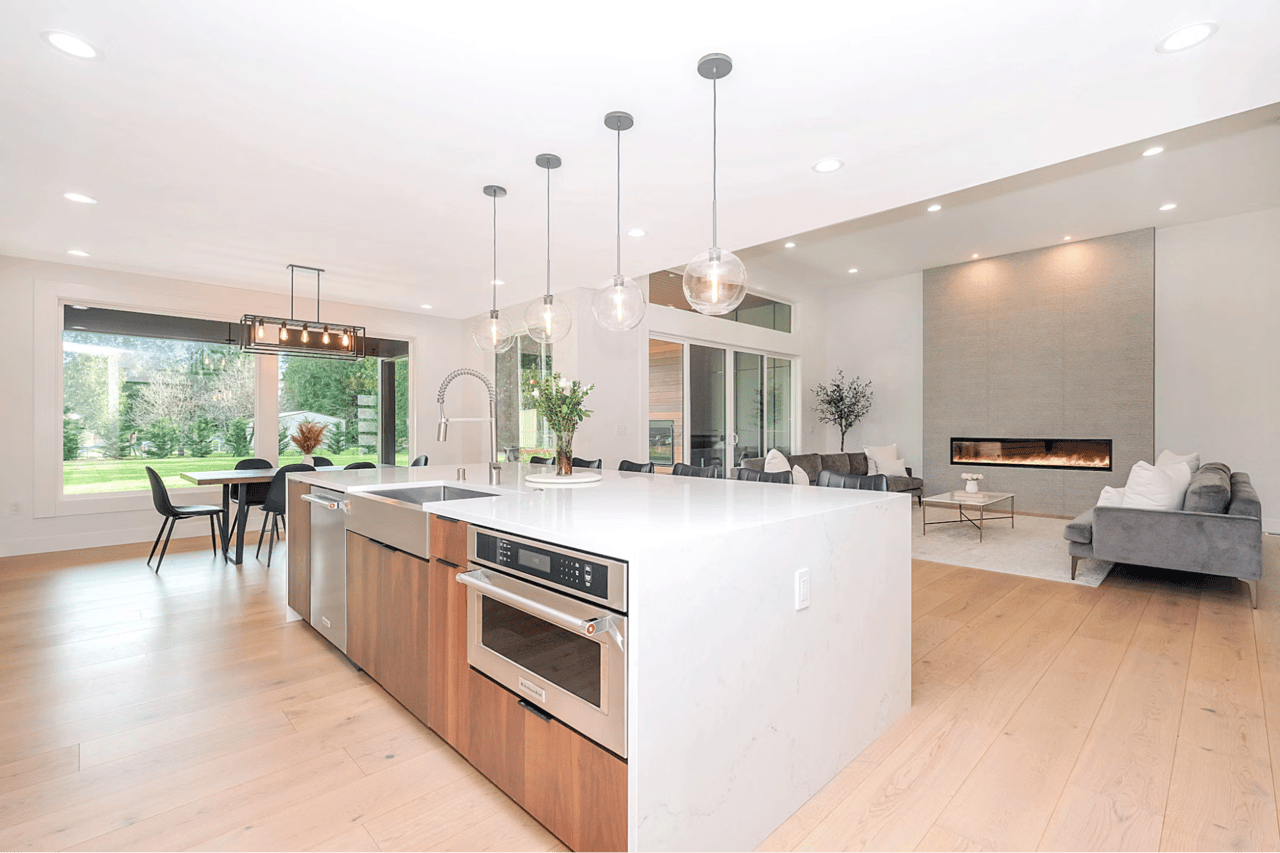
Over the years, a distinctly contemporary approach to mountain residential design has taken hold in Estes Park and the surrounding area. These homes are designed around the view, engineered for energy efficiency, and built with a material palette that includes steel, glass, board-formed concrete, and engineered wood products alongside more traditional stone and timber accents.
The most recognizable feature of contemporary mountain homes is the way they open toward the landscape. Expansive glazing on view-facing elevations, clerestory windows for light and ventilation, and flat or shed rooflines that frame specific sightlines are common design moves. Interiors tend toward open floor plans with high ceilings and a minimal visual boundary between living spaces and outdoor decks or terraces.
Performance is a strength of well-executed contemporary mountain construction. High-performance windows, continuous insulation, and mechanical systems designed for the elevation mean that these homes are often much more efficient than older properties. For buyers who plan to use a property as a primary residence, those operating costs matter.
The most recognizable feature of contemporary mountain homes is the way they open toward the landscape. Expansive glazing on view-facing elevations, clerestory windows for light and ventilation, and flat or shed rooflines that frame specific sightlines are common design moves. Interiors tend toward open floor plans with high ceilings and a minimal visual boundary between living spaces and outdoor decks or terraces.
Performance is a strength of well-executed contemporary mountain construction. High-performance windows, continuous insulation, and mechanical systems designed for the elevation mean that these homes are often much more efficient than older properties. For buyers who plan to use a property as a primary residence, those operating costs matter.
Features That Define Contemporary Mountain Homes
- High-performance glazing systems rated for altitude and temperature variation, since standard residential windows can underperform at elevation.
- Exterior cladding materials, such as metal panel, fiber cement, or thermally modified wood, requiring minimal maintenance relative to traditional painted wood siding.
- Radiant floor heating, which is common in these homes and particularly well-suited to the cold months at this elevation.
- Solar orientation as a deliberate design consideration, with south-facing glazing and roof planes positioned to take advantage of Colorado's high-altitude solar resource.
Storybook Cottages and Early Resort-Era Architecture
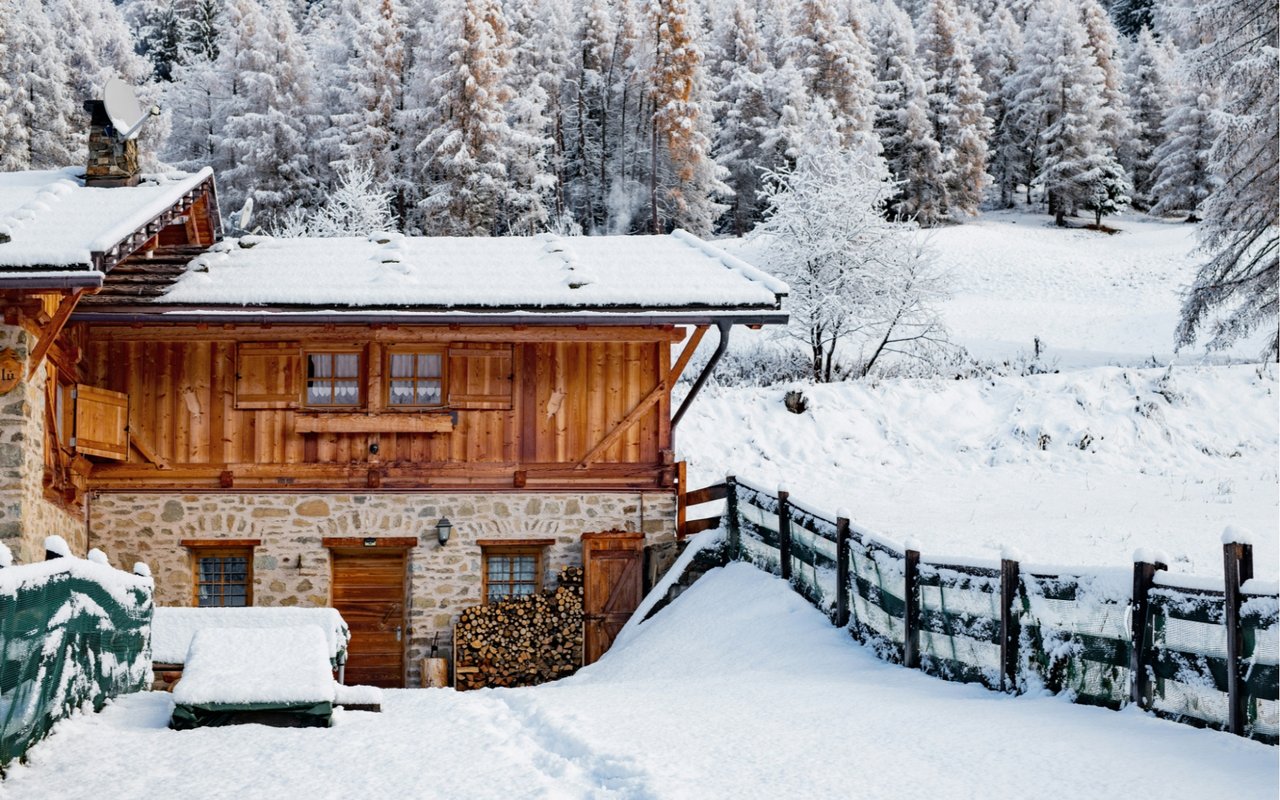
Estes Park's history as a destination resort goes back to the late 1800s, and a portion of the town's residential fabric still reflects that era. The small-scale cottages and cabins built during the early resort period carry a storybook quality: steep-pitched roofs, modest footprints, irregular window placement, and a mix of stone and painted wood that reads as picturesque rather than polished.
These properties occupy a particular niche in the market. For buyers drawn to history and character, they offer something rare: homes that connect directly to the origin story of Estes Park as a place where people came to be close to the mountains. Many of them sit on smaller lots with mature trees and established landscaping that newer construction simply can't replicate.
The trade-off is that homes of this age typically require more attention to systems, structure, and envelope performance. Plumbing, electrical, and insulation in properties built before mid-century often need updating, and the original construction was not engineered to the standards that govern building today. A thorough inspection is essential before moving forward with any purchase in this category.
These properties occupy a particular niche in the market. For buyers drawn to history and character, they offer something rare: homes that connect directly to the origin story of Estes Park as a place where people came to be close to the mountains. Many of them sit on smaller lots with mature trees and established landscaping that newer construction simply can't replicate.
The trade-off is that homes of this age typically require more attention to systems, structure, and envelope performance. Plumbing, electrical, and insulation in properties built before mid-century often need updating, and the original construction was not engineered to the standards that govern building today. A thorough inspection is essential before moving forward with any purchase in this category.
Character Features Common to This Style
- Original stone fireplaces and chimneys, which are often central to the home's aesthetic but require careful evaluation for structural integrity and liner condition.
- Steep rooflines with wood shake or metal roofing, both of which perform well in snowy conditions but require different maintenance approaches.
- Older single-pane windows that add charm but reduce thermal performance.
- Irregular floor plans that reflect the additive nature of early resort construction, where rooms were often added over time rather than designed as a unified whole.
FAQs
What Is the Most Common Architectural Style in Estes Park?
Log and timber frame construction, along with mountain Craftsman-influenced homes, make up a significant portion of the Estes Park housing stock. These styles have dominated the area since the early resort era and remain popular in both older and new construction. Contemporary mountain design is a growing segment, particularly among newer custom homes.
What Should I Know About Buying an Older Cottage or Cabin in Estes Park?
Older properties in Estes Park often have systems and structural components that need evaluation or updating. Electrical panels, plumbing materials, insulation values, and roof condition are the most common areas of concern. A professional home inspection by someone experienced with older mountain construction is a necessary step before any purchase in this category.
How Does Altitude Affect Home Construction and Performance in Estes Park?
At elevations around 7,500 feet, homes face a distinct set of conditions: intense UV exposure, significant temperature swings between day and night, heavy snowfall, and high winds. These factors influence everything from roofing material selection to window performance to how quickly exterior wood degrades without treatment. Buyers evaluating any home in Estes Park should factor altitude-related wear into their assessment of the property's condition and maintenance needs.
Your Next Step Toward Estes Park Homeownership
The architectural variety in Estes Park makes this market interesting to explore. Whether you're drawn to the warmth of a century-old log cabin, the clean lines of a contemporary home designed around a mountain view, or the handcrafted detail of a Craftsman-era property, there's a range of options to consider. Each style has its own strengths, and the right choice comes down to how you plan to use the home, what you're willing to maintain, and what kind of connection to the wondrous landscape matters most to you.
Our team at Estes Park Team Realty knows this market inside and out, and we're here to help you navigate it with clarity. We can walk you through properties across every architectural category, connect you with inspectors who understand mountain construction, and help you ask the right questions before you make any decisions.
Our team at Estes Park Team Realty knows this market inside and out, and we're here to help you navigate it with clarity. We can walk you through properties across every architectural category, connect you with inspectors who understand mountain construction, and help you ask the right questions before you make any decisions.