By Estes Park Team Realty
A vacant lot here almost never behaves like a finished building site, and that gap catches plenty of people off guard until they have walked a few parcels with us. The local zoning code determines what can actually go up on a given piece of ground, while water, septic, and road access all carry their own separate costs.
Wildfire mitigation and site topography add another layer that a flat suburban lot never requires. We walk every client through these specifics before an offer goes in on raw land.
Key Takeaways
- A zoning check: Determines what structures and uses a specific parcel actually allows.
- Water and septic: Often require separate wells and on-site systems away from town utilities.
- Road access and topography: Can add significant cost depending on the parcel's location.
- Wildfire mitigation: Shapes both building plans and long-term insurance costs.
What Local Zoning Actually Allows You to Build
A parcel's zoning designation determines the type of structure, density, and setbacks allowed before any design work makes sense. Some land sits within town limits under Estes Park's own zoning code, while other parcels fall under unincorporated Larimer County rules instead.
What Zoning Review Should Cover
- Permitted structure types: Vary significantly between residential, agricultural, and mixed zoning.
- Setback and height rules: Affect where a home can sit on the lot itself.
- Jurisdiction: Determines whether the town or Larimer County handles the review.
A quick call to the relevant planning department clears up most of this before it becomes a problem. An early confirmation of jurisdiction avoids submitting an application to the wrong office entirely.
Water, Septic, and Utility Costs
Land inside town limits often connects to municipal water and electric service, while more remote parcels typically need a private well and an on-site septic system instead. A well permit runs through the Colorado Division of Water Resources, and a septic system needs a separate permit from the Larimer County Department of Health and Environment.
What to Budget for Before Committing
- A well permit and drilling costs: Apply to any parcel without access to municipal water.
- Soil testing for septic design: Determines what kind of system a given parcel can support.
- Utility extension costs: Can run high on a parcel far from existing lines.
Soil conditions on a specific lot can rule out certain septic designs entirely, so testing early matters more than it does on a typical suburban lot. Real numbers on these costs before an offer goes in prevent a budget surprise later in the process.
Road Access and Site Topography
Some parcels connect directly to an existing paved road, while others require building a private access route before any construction can begin. Steep terrain can also mean significant grading or excavation work before a foundation is even possible.
What to Walk the Land For
- Road frontage already in place: Cuts out a major cost that undeveloped parcels often carry.
- Slope and drainage: Shape both the building envelope and the site work required.
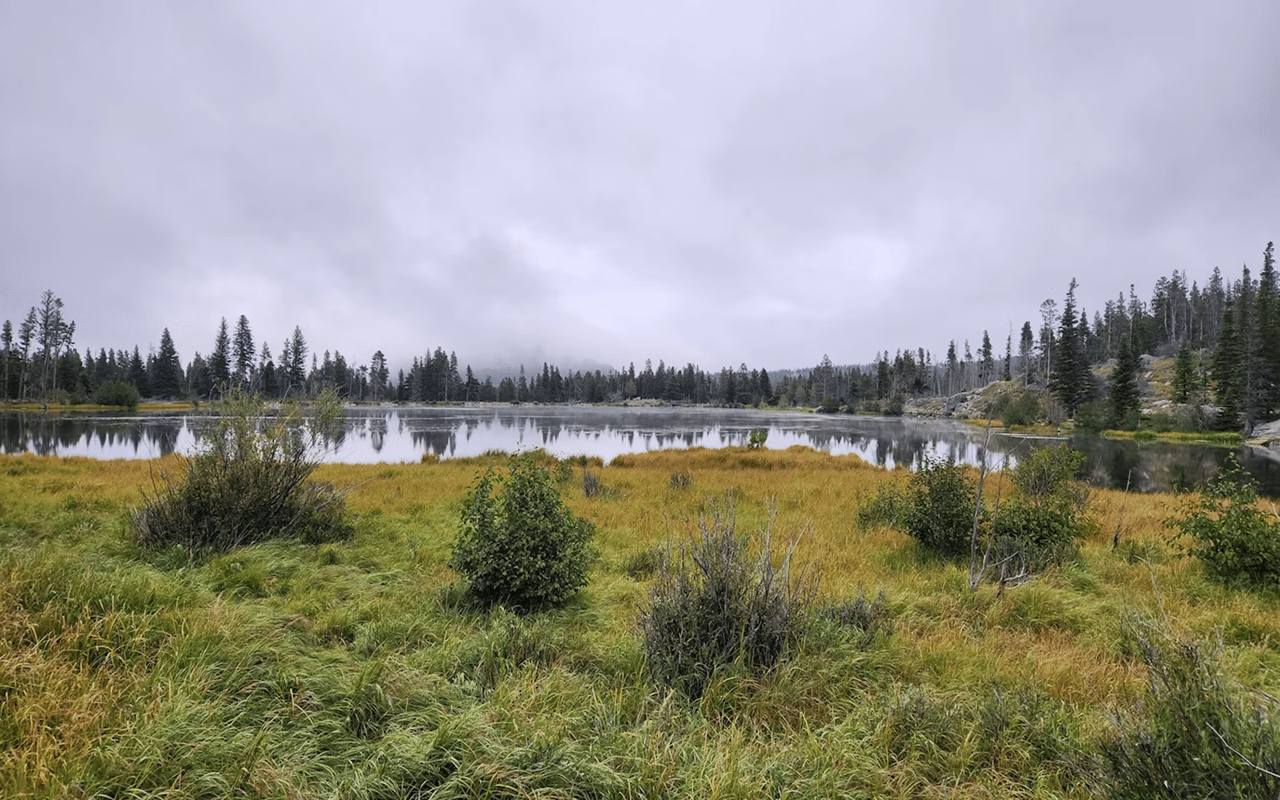
- Tree cover and rock outcroppings: Can add cost to clearing and excavation work.
A site visit with a builder or excavator before closing tends to surface issues a listing photo never shows. That walk-through often changes the final number more than anything discussed at the negotiating table.
Wildfire Mitigation and Defensible Space
Colorado has no single statewide defensible space law, so requirements come from a mix of county rules, local fire districts, and individual insurers. The Colorado State Forest Service recommends a three-zone approach, clearing debris and maintaining canopy clearance closest to the home and thinning vegetation further out.
The Three Zones Worth Understanding
- Zone one, zero to thirty feet: Calls for removing dead vegetation and maintaining clearance around the roofline.
- Zone two, thirty to one hundred feet: Focuses on reducing overall fuel density.
- Zone three, beyond one hundred feet: Involves thinning an overstocked forest more broadly.
Larimer County maintains its own wildfire mitigation code on top of these general guidelines, so confirming local requirements matters before finalizing a build plan. Insurers increasingly ask for documented proof of this work before issuing or renewing a policy.
The Building Permit Process Once You Own the Lot
A residential building permit in Estes Park requires a plan review, and the town aims to complete an initial review within about five days of submission. Applications run through the town's online Community Connect system, which also handles inspection requests and status tracking.
What the Review Process Involves
- An eight-step review process: Guides an application from submission through final approval.
- Plan review for structural work: Applies to any new residential construction.
- Inspection scheduling: Happens through the same online system as the original application.
Land inside unincorporated Larimer County follows a similar but separate permitting process through the county rather than the town. A quick confirmation of which office handles a specific parcel avoids wasted time on the wrong application entirely.
FAQs
What Should We Check Before Buying Land in Estes Park?
Local zoning, water and septic feasibility, road access, and wildfire mitigation requirements all deserve a close look before an offer goes in. A site visit with a builder often reveals cost factors that a listing description alone never mentions.
Do All Parcels Here Require a Private Well and Septic System?
No, land within town limits often connects to municipal water and electric service, while more remote parcels typically require a private well and an on-site septic system. Utility availability varies enough by parcel that it is worth confirming for each specific lot.
How Does Wildfire Mitigation Affect Building Plans?
Local fire districts and county rules generally expect some version of defensible space around a new home, following zones recommended by the Colorado State Forest Service. Insurers are also increasingly requesting documentation of this work before issuing coverage on a finished home.
Reach Out to Us at Estes Park Team Realty
Raw land here carries a different set of questions than a finished home, and getting those answers before closing saves far more than any last-minute negotiation would. We put together the specific numbers on zoning, utilities, and site work before any client commits to a parcel.
Reach out to us at Estes Park Team Realty, and we will help you evaluate a specific lot before you move forward with an offer.