Trying to choose between a condo and a cabin in Estes Park? It sounds simple, but the better question is often how you want to live, what kind of upkeep you can handle, and whether you plan to use the property full time, part time, or as a rental. In a mountain market, those details can shape your costs, your flexibility, and your day-to-day experience more than the property label itself. Let’s break down what really matters so you can find the best fit.
Start With Ownership Style
In Estes Park, the biggest difference between a condo and a cabin is usually how ownership works. A condo is often part of a homeowners association, which means you share responsibility for common areas and follow community rules and covenants. A detached cabin or single-family home usually gives you more control over the property, but it also puts more of the upkeep on you.
That trade-off matters. If you want a more managed setup, a condo may feel simpler. If you want more independence with fewer shared rules, a cabin may be the better fit.
What Condo Ownership Usually Means
When you buy a condo in an HOA, your monthly cost is not just the mortgage. You may also pay HOA dues, and those funds can go toward shared expenses like common-area maintenance, insurance, reserve funding, and legal costs. In some communities, there is also the possibility of special assessments.
Colorado regulators advise buyers to review HOA documents carefully before buying. That includes the declaration, bylaws, rules, recent meeting materials, financial statements, and any approved assessments. In practical terms, this helps you understand not just what you own, but also how the community is run.
What Cabin Ownership Usually Means
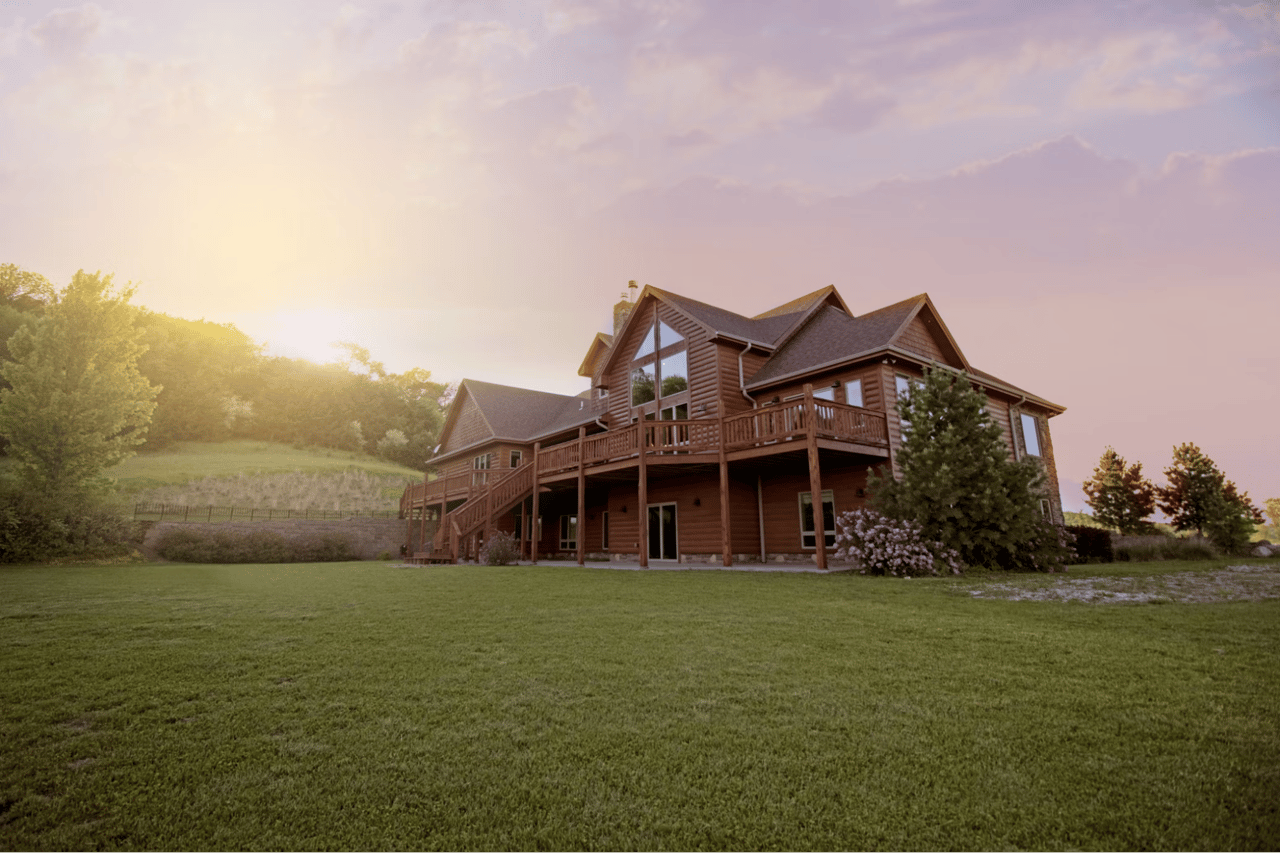
A cabin or detached home often gives you more say over how you use and maintain the property. That can be appealing if you value privacy, flexibility, or a more traditional mountain-home feel. It can also be a better match if you want fewer association rules affecting pets, parking, exterior changes, or rental use.
The trade-off is responsibility. With a detached mountain property, you are usually responsible for exterior upkeep, repairs, and planning for weather-related maintenance. In and around natural vegetation, wildfire readiness is also an ongoing consideration.
Compare the Real Monthly Cost
It is easy to compare listing prices and miss the bigger picture. In Estes Park, your best fit often comes down to total carrying cost, not just the purchase price.
For a condo, you will want to factor in:
- Mortgage payment
- HOA dues
- Property taxes
- Utilities
- Insurance costs
- Any reserve or assessment exposure
For a cabin or detached home, you will want to factor in:
- Mortgage payment
- Property taxes
- Utilities
- Insurance costs
- Exterior maintenance and repairs
- Snow, drainage, or site-related upkeep
- Wildfire mitigation needs where applicable
A condo may have higher routine monthly dues but fewer direct exterior chores. A cabin may have fewer shared fees but more variable maintenance costs over time. Neither option is automatically cheaper. It depends on the property, the location, and how you plan to use it.
Think About Maintenance and Mountain Conditions
Mountain living comes with a different set of practical questions than many buyers expect. That is one reason Estes Park Team Realty emphasizes hyper-local guidance in this market.
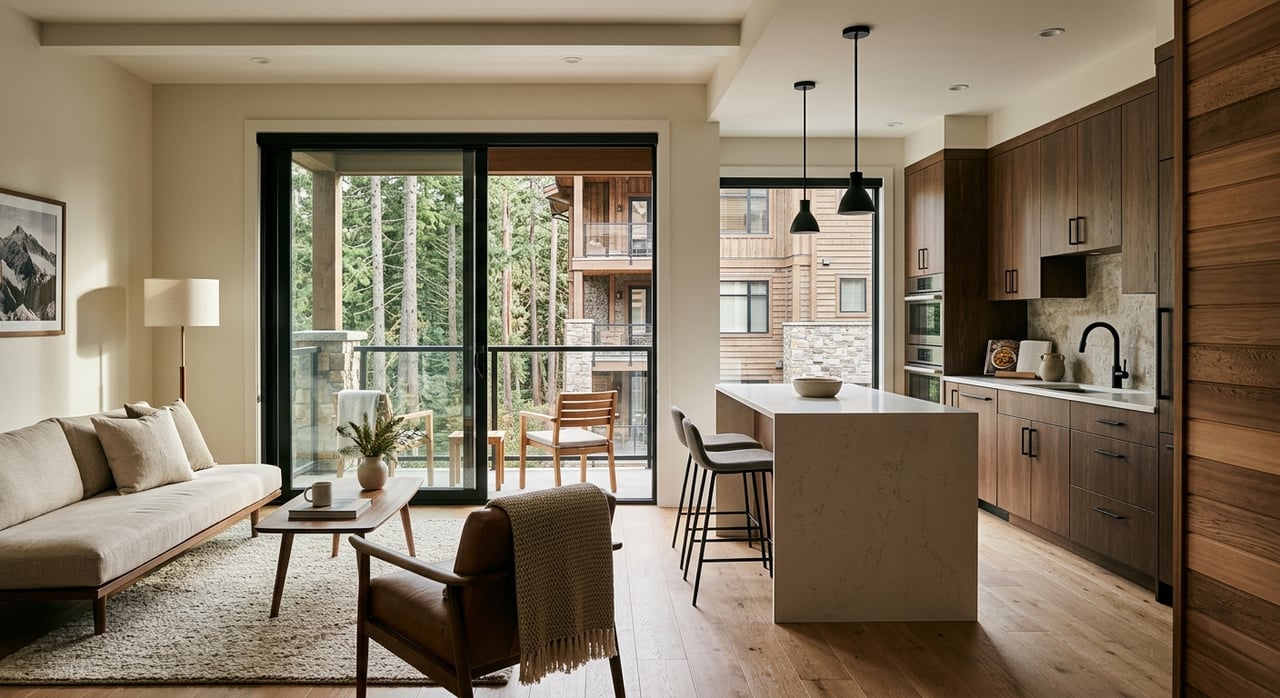
With a condo, some exterior work may be handled through the association. That can appeal to full-time buyers who want less hands-on maintenance, as well as second-home owners who want more of a lock-and-leave setup. If you spend only part of the year in town, that lower-maintenance structure can be a real advantage.
With a cabin, your to-do list is often broader. Mountain properties may need closer attention to weather exposure, access, drainage, roofing, decks, and defensible space. If the property is outside a fully serviced neighborhood, you may also need to look at private drinking-water systems or on-site wastewater treatment systems, which adds another layer of inspection and maintenance planning.
Match the Property to Your Lifestyle
The right choice often comes down to how you want your home to support your life in Estes Park.
Condo Fit: Convenience and Simplicity
A condo may be a strong match if you want:
- Less exterior maintenance
- A more managed ownership structure
- Easier part-time use
- A lock-and-leave option
- Proximity to downtown, river areas, or common visitor routes
Current local listing patterns suggest that condo-style properties are often found near downtown, along Fall River, near the river corridor, or with convenient access to Rocky Mountain National Park routes. That is a market pattern, not a rule, but it can help shape your search.
Cabin Fit: Privacy and Control
A cabin may be a strong match if you want:
- More autonomy
- More privacy or separation from neighbors
- Greater control over exterior decisions
- A wooded or more secluded setting
- A classic mountain-home experience
Many buyers are drawn to cabins because they picture a quieter setting and a stronger connection to the surrounding landscape. That lifestyle can be rewarding, but it also asks more of you as an owner.
Ask Rental Questions Early
If part-time rental income is part of your plan, do not wait until after touring to look into the rules. In Estes Park, one of the most important questions is whether the property is inside Town of Estes Park limits or in unincorporated Larimer County. The rules are different.
Inside town, vacation home business licensing comes with specific requirements. Those include a local resident or local property manager within the Estes Valley Recreation and Park District or Estes Park School District, at least two off-street parking spaces except in downtown commercial areas, occupancy limits such as two per bedroom plus two, and an overall maximum of eight in residential districts. The town also requires a life-safety inspection and a certificate of occupancy before the property can be occupied as a vacation home.
In unincorporated Larimer County, a short-term rental license is required before advertising or operating a rental of 30 days or less. The county also requires a conversion permit, life-safety inspection, and certificate of occupancy. Larimer County also notes that there is currently a waitlist for short-term rentals in the Estes Valley residential zone districts, and short-term rental licenses are generally not transferable when ownership changes.
HOA Rules Can Change the Answer
Even if local rules allow a use, the HOA may not. That is why condo buyers need to review governing documents closely. HOA rules can affect rentals, pets, parking, and exterior changes, all of which may shape whether a specific condo works for your goals.
This is one of the biggest reasons the condo-versus-cabin choice is so property-specific in Estes Park. Two homes with similar price points can come with very different use rights and obligations.
Use This Quick Decision Filter
If you are torn between the two, ask yourself these questions before you narrow your search:
Choose a condo if you prefer:
- Shared responsibility over full exterior ownership
- Predictable monthly structure, even with dues
- Less maintenance during absences
- A more managed property environment
- Potentially easier part-time ownership logistics
Choose a cabin if you prefer:
- More control over the property
- Fewer shared rules
- A detached home setting
- More privacy or a secluded feel
- Taking on maintenance in exchange for independence
What to Confirm Before You Tour
In a specialized mountain market, the smartest buyers verify key details early. Before you get too far into the process, make sure you confirm:
- Whether the property is in town or in unincorporated Larimer County
- Whether HOA rules allow your intended use
- The full monthly cost, including dues, insurance, taxes, utilities, and maintenance
- Whether the property has any approved assessments
- Whether a detached home has private water or septic systems to inspect
- Whether wildfire mitigation or other site work may be needed
- Whether rental licensing and occupancy rules line up with your goals
A condo can be a great fit in Estes Park. So can a cabin. The better choice is the one that matches your budget, lifestyle, and comfort level with mountain-property responsibilities.
When you want clear local guidance on condos, cabins, second homes, or full-time living in the Estes Valley, Estes Park Team Realty can help you sort through the details and search with confidence.
FAQs
What is the main difference between a condo and a cabin in Estes Park?
- A condo usually involves HOA ownership rules, shared responsibilities, and monthly dues, while a cabin or detached home usually offers more control but more owner responsibility for upkeep and repairs.
Are condos in Estes Park easier to maintain than cabins?
- Often, yes. Condo ownership may reduce the amount of exterior maintenance you handle directly, while cabins and detached homes usually require more hands-on attention to weather, repairs, and site conditions.
Can you use a condo in Estes Park as a short-term rental?
- Possibly, but you need to confirm both the local licensing rules and the HOA rules. A property inside town limits follows Town of Estes Park requirements, while a property in unincorporated Larimer County follows county short-term rental rules.
Do cabins in Estes Park come with extra inspection needs?
- They can. Some detached mountain properties may rely on private drinking-water systems or septic systems, which can create additional inspection and maintenance considerations.
How do HOA fees affect condo affordability in Estes Park?
- HOA fees add to your monthly carrying cost and may also reflect reserve funding, insurance, legal costs, or the possibility of special assessments, so they should be reviewed alongside the mortgage and other ownership expenses.
Is a condo or cabin better for a second home in Estes Park?
- It depends on your priorities. A condo may appeal if you want a more lock-and-leave setup, while a cabin may appeal if you want more privacy and control and are comfortable managing more maintenance.