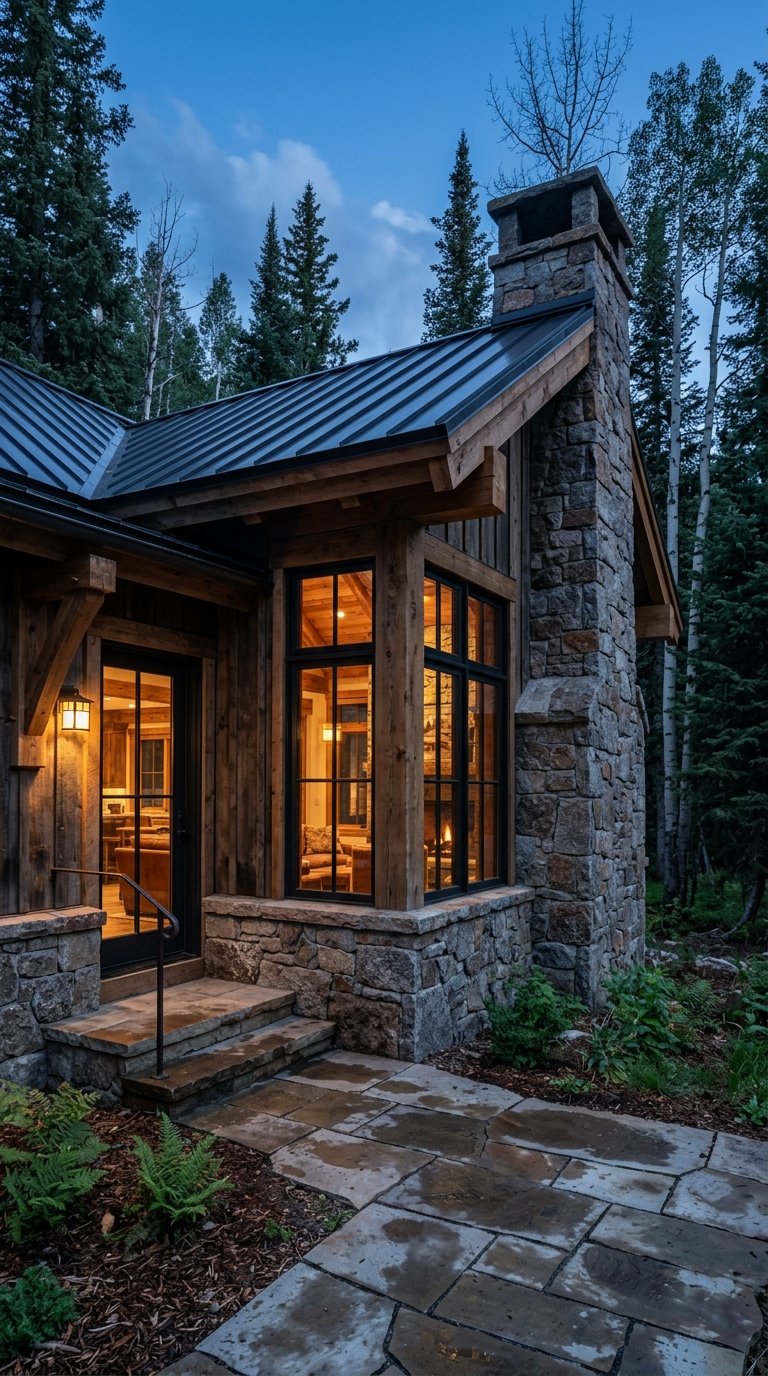
Dreaming about a quiet cabin in the mountains? In Allenspark, that dream can be very real, but buying a second home here takes more than falling in love with the view. You need to understand access, utilities, wildfire readiness, and local rules before you commit. This guide will help you focus on the details that matter most so you can buy with more confidence. Let’s dive in.
Why Allenspark Feels Different
Allenspark is an unincorporated community in northwest Boulder County with ZIP code 80510 and a population of 528, according to Boulder County. That small scale is part of the appeal for many second-home buyers who want a quieter mountain setting for weekend use, family time, or a future retreat.
It also means you are buying into a market shaped by county-level rules rather than a typical city setup. In Boulder County, property use and rental eligibility can depend on whether a parcel is considered a townsite, subdivision, or unsubdivided land, as well as the CCD it falls within. That is why parcel-specific due diligence matters so much in Allenspark.
Start With Your Use Plan
Before you compare finishes, views, or deck space, get clear on how you want to use the property. A cabin that works well for seasonal visits may need different features than a home you plan to visit year-round or potentially license as a short-term rental.
If rental income is part of your plan, do not assume every property can be used that way. Boulder County requires a local license for any short-term or vacation rental in unincorporated areas, and the review includes zoning, parking, access, septic, building safety, and occupancy. The right first question is not “Can cabins here rent?” but “Can this exact parcel be licensed?”
Cabin Features That Matter Most
In a mountain second home, practical features usually matter more than cosmetic ones. A beautiful cabin is great, but a cabin that is easier to maintain between visits can save you time, money, and stress.
Look closely at the basics that support four-season ownership:
- Durable exterior materials
- Simple rooflines
- Good insulation
- Reliable heating
- Adequate parking
- Storage for gear and seasonal items
These features are especially important in Allenspark because weather, snow access, and maintenance demands can be more noticeable than they are in lower-elevation markets. If you are considering additions or major exterior updates after closing, Boulder County building code and BuildSmart rules apply to new residential construction and additions in unincorporated areas.
Check Winter Access Early
Winter access can be one of the biggest surprises for second-home buyers in mountain communities. In Boulder County, roads have different snow-removal priorities, and plows may not reach subdivision and mountain roads until after snowfall stops and higher-priority roads are safe.
The county also notes that crews generally cannot stop to clear each driveway entrance. That means you should evaluate the driveway grade, turnaround space, and how manageable the property will feel when snow piles up.
Questions To Ask About Roads
A good showing conversation should include road access, not just interior features. Ask for clarity on:
- Whether the road is county-maintained or a local-access road
- How quickly that road is typically plowed after a storm
- Whether the driveway is steep, narrow, or difficult to turn around on
- Whether winter access has been an issue for the current owner
Boulder County also says it cannot do full resurfacing on subdivision roads, only maintenance such as snow removal, patching, drainage clearing, and crack sealing. That makes the road type and condition even more important when you compare properties.
Confirm Water Source By Address
In Allenspark, water should never be guessed based on the area or the appearance of neighboring homes. You need to verify by property address whether a home is served by district water or a private well.
The Allenspark Water & Sanitation District says it serves roughly 130 taps and can provide typical firefighting water supply through hydrants. Other properties may rely on private wells, which Boulder County says are not regulated or monitored by public health officials.
If a home has a private well, the Colorado Division of Water Resources issues well permits and keeps permit files that may show allowable uses, the original application, and available construction and pump records. For a second-home buyer, that makes water verification a key part of early due diligence.
Understand Septic Before Closing
Septic is another issue that deserves early attention, especially for out-of-area buyers who may not be used to onsite wastewater systems. In Boulder County, most property sales require a septic property-transfer certificate before closing.
Boulder County Public Health also advises inspections before buying or selling a home. The county recommends pumping septic systems every 3 to 5 years, keeping maintenance records, and having systems inspected at least once every 10 years.
Why Septic Matters For Rentals
If you hope to use the cabin as a vacation rental, septic may become even more important. Boulder County says a residential OWTS permit may need to be reissued as commercial for vacation-rental use through a change-of-use permit.
That means a property that works well as a personal retreat may still need extra review before it can support a rental plan. It is another reason to match your intended use with the exact parcel and system history.
Make Wildfire Readiness Part Of Your Search
Wildfire mitigation is not just a future maintenance issue in Allenspark. It should be part of how you evaluate the property from the start.
Boulder County’s wildfire code emphasizes ignition-resistant and noncombustible materials and limits flammable vegetation near homes in western unincorporated areas. The county also says the conditions most likely to affect whether a home survives a wildfire are often within 100 feet of the structure, and embers can travel more than a mile.
For you as a buyer, that means siding, roofing details, vents, decks, and landscaping all matter. A cabin’s rustic appearance may be appealing, but the materials and vegetation around it have real long-term ownership implications.
Ask About Home Hardening
Home hardening is Boulder County’s term for making a home more fire-resilient through retrofits and maintenance. When you tour a property, ask what wildfire mitigation work has already been done and whether there are records for that work.
For some properties, documentation may include mitigation history, defensible-space work, or permitted repairs and upgrades. Clear records can make your ownership planning easier and may also help when you think ahead to resale.
Know The Rental Licensing Steps
Some buyers want a second home for personal use now and possible rental income later. In Allenspark, that can be possible, but it depends on local licensing and property-specific review.
Boulder County requires a local license for short-term and vacation rentals in unincorporated areas. The county review covers several issues, including zoning, parking, access, septic, building safety, and occupancy.
For properties in Wildfire Zone 1, Boulder County says a Wildfire Partners assessment within five years is required before the initial license. Certification is required at first renewal, and reassessment occurs every six years.
This is why buyers should avoid broad assumptions based on nearby listings or past owner use. The safest path is to verify the rules for the specific property you want to buy.
Think About Emergency Response
Emergency response is another practical part of mountain ownership. The Allenspark Fire Protection District says it is staffed entirely by volunteers, which is important context for buyers comparing homes in more remote settings.
Boulder County also reported that a January 2026 house fire in Allenspark involved limited water in the area and required five fire tenders to support suppression. That does not mean every property has the same conditions, but it does show why water supply, fire access, and mitigation history belong on your due-diligence checklist.
Plan For Part-Time Ownership
If your cabin will sit empty between visits, simple operations matter more than many buyers expect. Trash, snow, vegetation management, and general upkeep all deserve a plan before closing.
Boulder County operates the Allenspark Transfer Station and does not provide trash collection service, so owners need either private pickup or a routine for hauling waste themselves. If the property generates slash or forest debris, Boulder County requires permits or registration for slash-pile and prescribed burns and prohibits burning during fire restrictions or certain high-risk weather alerts.
For a second home, this kind of routine maintenance can affect how easy the property feels to own from a distance. A well-chosen cabin is not just attractive when you arrive. It is manageable when you are away.
What Supports Long-Term Resale
The most marketable mountain properties are often the ones with the clearest paper trail. In Allenspark, that usually means documentation for road and driveway access, water source, septic records, wildfire mitigation, and permitted work.
That is a practical takeaway from Boulder County’s parcel-specific rules and processes. It also helps explain why local guidance matters in a mountain market where two cabins on the same road can have very different use, access, and maintenance realities.
For many buyers, the best second home is the one that balances lifestyle and scenery with a realistic ownership plan. If you go in with clear questions and the right local support, you can make a confident decision and enjoy the mountain retreat you had in mind from the start.
If you are exploring cabins or second homes in Allenspark, Estes Park Team Realty can help you navigate the local details that matter most, from access and utilities to mountain-market due diligence.
FAQs
What should you verify first when buying a second home in Allenspark?
- Start by confirming how you want to use the property, then verify by parcel whether that use fits local rules for access, water, septic, and possible rental licensing.
Does a cabin in Allenspark need a septic certificate before closing?
- In most Boulder County property sales, a septic property-transfer certificate is required before closing.
How do you know if an Allenspark property has district water or a private well?
- You should confirm the water source by address, because some properties are served by the Allenspark Water & Sanitation District while others rely on private wells.
Can you use an Allenspark cabin as a short-term rental?
- Possibly, but Boulder County requires a local license and reviews zoning, parking, access, septic, building safety, and occupancy for the specific property.
Why is winter road access important for an Allenspark second home?
- Boulder County snow-removal timing depends on road priority, and subdivision or mountain roads may not be plowed until after snowfall stops and higher-priority roads are safe.
What wildfire questions should you ask when buying in Allenspark?
- Ask what home-hardening or mitigation work has been completed, what records exist, and how the property handles vegetation, access, and water supply for fire response.