By Estes Park Team Realty
Searching for a home in Estes Park is one of those experiences that tends to surprise people. You come in thinking about bedrooms and bathrooms, and then you step onto a deck with an unobstructed view of Longs Peak and realize that the checklist you brought from home needs a complete rethink. In a market like this, the factors that determine whether a property is truly right for you go far beyond what shows up on the listing sheet.
Estes Park is not a typical real estate market. It sits at roughly 7,500 feet in elevation, borders Rocky Mountain National Park, and draws buyers ranging from full-time residents to vacation home seekers and short-term rental investors. Each of those profiles comes with a different set of priorities, but all of them share one thing: the need to evaluate properties through a mountain-town lens that standard checklists simply do not account for.
This guide will walk you through what to actually look for when you tour homes in Estes Park to find your match.
Key Takeaways
- Square footage tells only part of the story; lot orientation, views, and access are equally important in Estes Park.
- Elevation, weather exposure, and seasonal road conditions should factor into every property evaluation.
- Wildlife interaction, lot topography, and outdoor living spaces affect daily life more than most buyers anticipate.
Views, Orientation, and Natural Light
One of the first factors buyers notice in Estes Park is that not all views are equal. A listing may describe "mountain views" without specifying whether those views face the peaks inside Rocky Mountain National Park, a ridge line with limited visual drama, or an open meadow that happens to have a sliver of mountain in the distance. When you tour a home, pay close attention to which direction the main living spaces and primary bedroom face, because that orientation determines how much natural light the interior receives throughout the day.
South-facing homes tend to be warmer and brighter in winter, which is a meaningful quality-of-life factor at this elevation. North-facing properties can stay cooler in summer but may also accumulate more ice and snow on driveways and entry points. West-facing decks catch the sunset over the mountains, while east-facing decks are ideal for morning coffee with alpenglow on the peaks. None of these orientations is inherently better than another, but each carries implications for how you will actually live in the home.
It is also worth noting that views in Estes Park can be affected by vegetation. Mature aspen and pine groves are beautiful but can limit sightlines in ways that a wide-angle listing photo may not fully convey. Walk the property at different points to understand what you are actually looking at from each room.
What To Evaluate
- The direction that the primary living spaces and outdoor areas face and how that affects light and warmth seasonally.
- How vegetation on the property or neighboring parcels affects sightlines from inside the home.
- The quality of the view from the primary bedroom, not just the living room or deck.
Elevation, Weather, and Seasonal Access
Estes Park sits at a high elevation, some properties are located in the midst of terrain that behaves very differently in winter. Before you fall in love with a remote mountain property, it is worth having an honest conversation about what seasonal access actually looks like.
Driveways are one of the most underestimated factors in mountain home ownership. A steep, north-facing driveway can become a challenge in icy conditions, regardless of how capable your vehicle is. Ask about the grade of the driveway, whether it is shared with neighboring properties, and how snow removal is typically handled. Some roads in outlying areas are maintained by the county, but others are private and require coordination among property owners.
Weather exposure at higher elevations also affects the structure of the home itself. Properties on exposed ridgelines or at higher elevations face more wind, more UV exposure, and more dramatic temperature swings than homes in more sheltered terrain. This has implications for the condition of exterior finishes, roofing materials, and decks, all of which you should examine carefully during your walkthrough.
Questions To Ask
- What is the driveway grade, and how is access managed during the winter?
- Is the road to the property publicly maintained, privately maintained, or subject to an HOA or road association?
- Has the home experienced any weather-related damage to the roof, siding, or foundation, and what repairs were made?
- What is the property's snow load rating, and is it appropriate for the elevation and exposure?
Water, Utilities, and Infrastructure
Whether a home is connected to municipal water or relies on a private well is one of the first things to confirm, and either situation comes with its own set of considerations. If the home has a well, ask for recent water quality test results and find out what the well's recovery rate is, meaning how quickly it replenishes after use.
Septic systems are common in properties outside the town's sewer service area, and the condition and capacity of the system should be verified before closing. Ask when the system was last inspected and pumped and whether it has been evaluated for current occupancy levels. Propane is also a standard fuel source in many mountain properties, so it is worth understanding the tank size, current propane provider agreements, and typical annual usage.
Infrastructure Details To Confirm
- Whether the property is on municipal water and sewer or relies on a well and septic system — and the current condition of each.
- The age and condition of the HVAC system and how the home is heated, whether propane, electric, radiant, or a combination.
- Internet and cellular connectivity.
- The age of the roof and when it was last replaced, given the elevation and snow load it manages.
Wildlife, Lot Topography, and Outdoor Living
Living in close proximity to Rocky Mountain National Park means living alongside elk, deer, black bears, and mountain lions. For most buyers, this is a feature rather than a concern, but it does affect certain practical decisions about the property. Trash storage requires bear-proof containers. Gardens, if you are interested in one, may need fencing or enclosures.
The topography of the lot itself is another factor that gets little attention on a listing sheet but shapes daily life significantly. A flat lot often commands a premium. Sloped terrain can create dramatic outdoor living opportunities, but it can also complicate parking, limit outdoor usable space, and affect drainage. Walk the full lot during your tour and think about where you would put outdoor furniture, where pets would have room to move, and where vehicles would be parked.
Outdoor living spaces in Estes Park are a major component of the home's value and your enjoyment of it. A deck or patio that is well-positioned relative to wind patterns, views, and afternoon shade from the mountains can become the heart of the home from May through October. Pay attention to deck condition, sun exposure at different times of day, and whether any outdoor areas feel sheltered or fully exposed to the elements.
Outdoor and Wildlife Considerations
- Whether the landscaping is wildlife-resistant or will require significant modification after purchase.
- The usable square footage of the lot, separate from its total acreage, particularly on sloped terrain.
- The condition, orientation, and exposure of decks, patios, or other outdoor living spaces.
- Proximity to wildlife corridors and what that means for pets, garden plans, or outdoor storage.
Features and Amenities Worth Slowing Down For
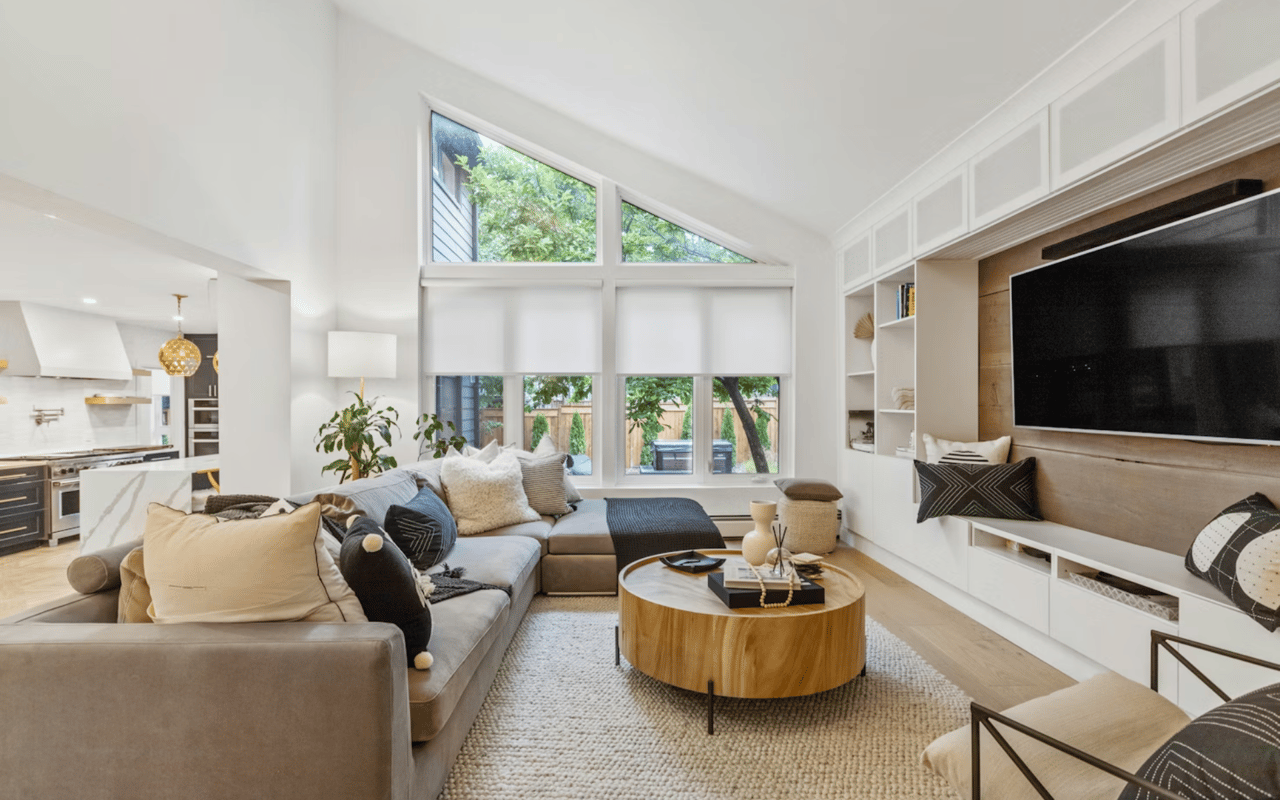
When you are touring homes in Estes Park, it is easy to get distracted by the views and lose track of the interior details that will shape your day-to-day experience. The features and amenities inside a mountain home deserve the same careful attention as the lot and the setting.
Storage is one of the first factors to evaluate with fresh eyes. Mountain living comes with gear: skis, snowshoes, hiking equipment, bikes, fishing rods, and everything else that draws people to a place like Estes Park. A home with generous mudroom space, a dedicated gear area near the entry, or a detached garage with room for more than just vehicles will make daily life much more comfortable. Conversely, a home with no practical storage solution for wet or muddy outdoor equipment will create friction every single day.
Fireplaces and supplemental heating sources are another feature worth taking seriously. A wood-burning or gas fireplace is more than an aesthetic detail; it can serve as meaningful backup heat during a power outage or an especially cold stretch. Look at how the fireplace is positioned relative to the main living area and whether it has been maintained and inspected recently. Radiant floor heating, where present, is a luxury in mountain homes and contributes to warmth and comfort in ways that forced air simply cannot replicate.
Interior Features To Assess on Tour
- The amount and practicality of storage near the entry for outdoor gear.
- The condition, type, and placement of any fireplace or wood stove, including when it was last inspected.
- The quality of windows and doors, specifically whether they are double or triple-paned and well-sealed against wind and cold.
- Kitchen layout and appliance quality.
- Whether the laundry area is conveniently located and sized appropriately.
- The condition of flooring throughout, including whether the wood floors show signs of moisture damage or warping from seasonal humidity shifts.
FAQs
What Makes Buying in Estes Park Different From Other Colorado Markets?
Estes Park is a mountain resort town with a limited housing inventory, significant seasonal demand, and proximity to Rocky Mountain National Park. These factors create a market that behaves differently. Properties here are evaluated not just on their interiors but on their views, access, lot characteristics, and suitability for mountain living. Working with a team that knows this market specifically makes a meaningful difference.
Is It Common for Homes in Estes Park To Have Wells and Septic Systems?
Yes. Many properties outside the town's core service area rely on private wells and septic systems rather than municipal infrastructure. Both are entirely workable, but they require specific due diligence during the buying process. Our team will help you understand what to look for and which questions to ask so you have a complete picture before you make an offer.
How Does Elevation Affect Home Insurance in Estes Park?
Properties in the Estes Park area may be subject to elevated premiums or specific coverage requirements related to wildfire risk, wind exposure, or snow load. Insurance costs can vary from one property to another, depending on location, construction type, and proximity to fire risk zones.
Your Mountain Home Search Starts Here
Finding the right home in Estes Park is an exciting process, and it becomes a much smoother journey when you know what to look for beyond the basics. Our team at Estes Park Team Realty knows this market from the inside out, and we are here to help you move through your search with clarity and confidence. Whether you are just starting to explore what is available or you are ready to make a move, we will make sure you have the information you need at every step.