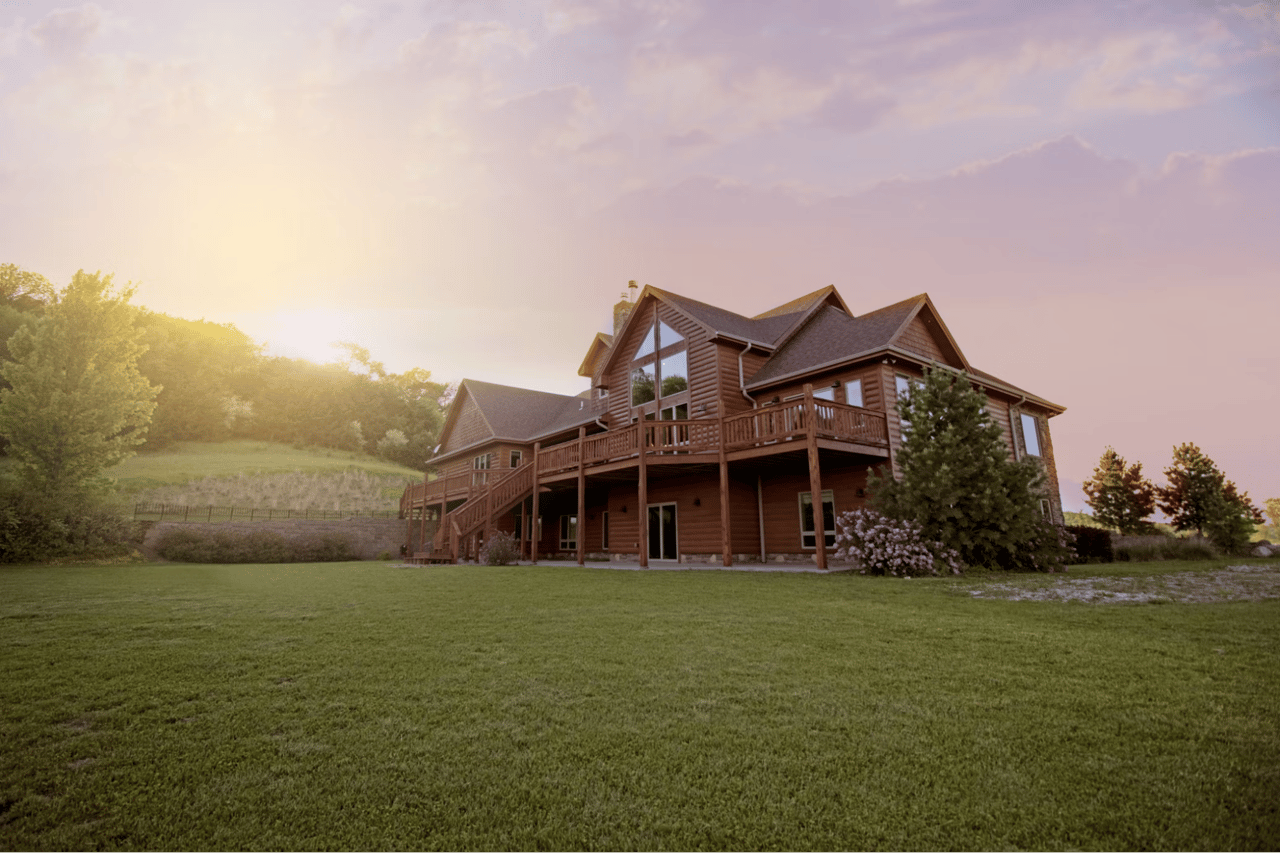
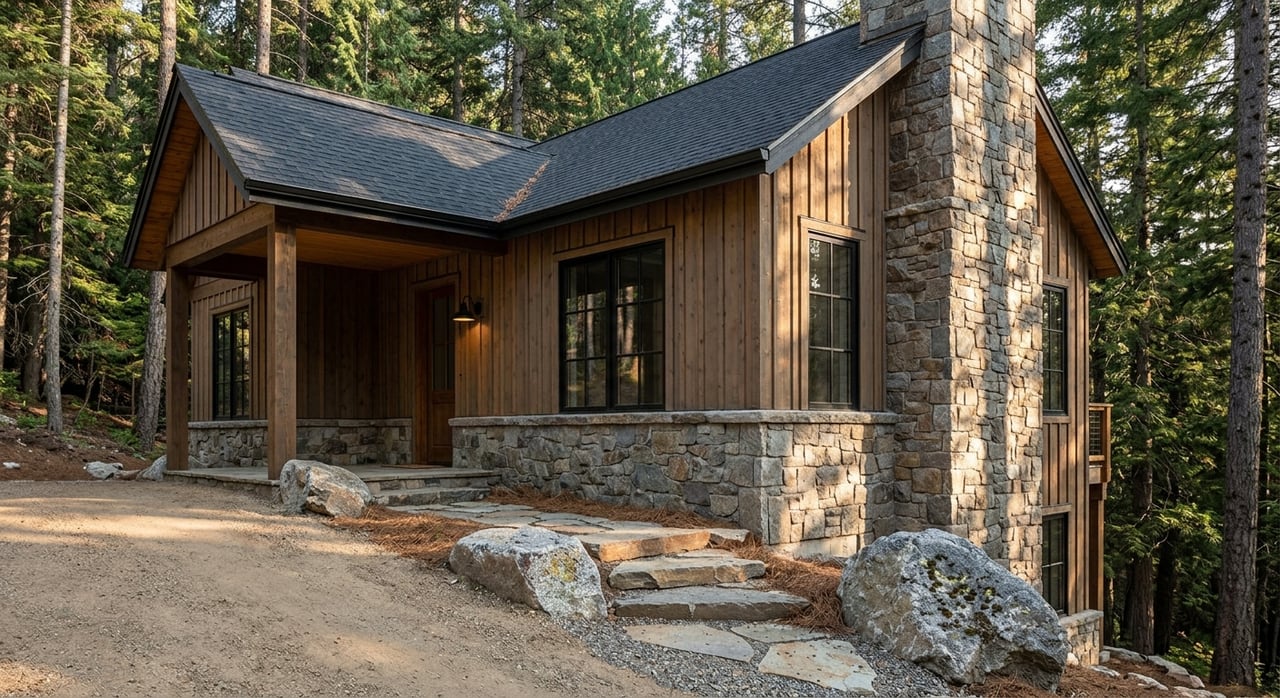
If you are dreaming about a quieter mountain lifestyle, Pinewood Springs may catch your attention fast. This small Larimer County community offers privacy, scenery, and easy access to outdoor recreation, but it also comes with the practical realities of rural mountain living. If you want a clear picture of what daily life feels like here, this guide will walk you through the setting, roads, recreation, utilities, and lifestyle fit so you can decide whether Pinewood Springs feels right for you. Let’s dive in.
Pinewood Springs at a Glance
Pinewood Springs is an unincorporated community in Larimer County, located along US 36 roughly halfway between Lyons and Estes Park. According to the community wildfire protection plan, it was established in 1958 and has about 1,100 full-time residents.
Even with its small size, the area sits along a busy corridor that carries more than 2.4 million vehicles each year toward Estes Park and Rocky Mountain National Park. In everyday life, though, Pinewood Springs is described as a small and quiet mountain community surrounded by rugged terrain and Roosevelt National Forest.
The Feel of Daily Life
Living in Pinewood Springs feels more rural and mountain-oriented than living in a typical subdivision. The broader community includes about 400 homes, along with a quarry, a bakery and gift shop, a smoked fish business, a church, horse properties, and a number of home-based businesses.
That mix helps create a setting where full-time life is possible, even in a smaller mountain area. The wildfire protection plan also notes that many residents work remotely, which fits the community’s quieter, more self-directed lifestyle.
If you are looking for sidewalks, dense retail, and quick in-town errands, Pinewood Springs will likely feel very different from a suburban environment. If you want space, scenery, and a more independent pace, it may feel like a strong match.
Roads and Access in Pinewood Springs
One of the biggest things to understand about Pinewood Springs is that access is part of the lifestyle. County-maintained streets in the subdivision are mostly gravel, and roads within the community are generally steep, narrow, and unpaved.
That affects how you think about day-to-day driving, especially in winter or during heavy visitor traffic on US 36. In practical terms, Pinewood Springs is not set up like a walkable village. Errands, appointments, and many services tend to be part of a regional routine tied to nearby towns.
For some buyers, that mountain-road reality is part of the appeal. For others, it is an important adjustment to weigh before making a move.
Outdoor Access Is a Big Part of Life
If you love being outside, Pinewood Springs offers strong access to recreation close to home. Larimer County’s Pinewood Reservoir includes 327 acres of public land around a 100-acre reservoir, with kayaking, fishing, camping, and year-round access. Trailered motorized boats are not allowed, which helps preserve a quieter setting.
Nearby Carter Lake adds more options, including boating, swimming, camping, and hiking. Ramsay-Shockey Open Space, next to Pinewood Reservoir, offers a 4-mile natural-surface trail for hiking, biking, and horseback riding.
Then there is the bigger regional draw. Rocky Mountain National Park is an easy northbound destination, and the surrounding national forest helps make hiking, biking, and camping part of the area’s regular rhythm, not just a weekend plan.
A Community Built Around Self-Reliance
Pinewood Springs has a strong culture of local involvement and preparedness. The local fire department is made up of community resident volunteers, and the district says its firefighters, chief, officers, and board members all live in the community.
That volunteer structure says a lot about how Pinewood Springs works. Residents are not just living in the area. They are actively helping support it.
For buyers coming from a city or larger town, this can be an important shift in mindset. Mountain living here tends to come with a stronger sense of personal responsibility and community awareness.
Wildfire Preparedness Is Part of Daily Living
In Pinewood Springs, wildfire planning is not something to think about only once in a while. It is a regular part of how the community operates.
The fire district says residents should expect emergency alerts through LETA, weather radios for immediate evacuation situations, and door-to-door notifications during an emergency. The district also has a more restrictive burn policy than county rules. Open flames are generally not tolerated except under permit, and fully enclosed flames are required where allowed.
For many buyers, this does not mean Pinewood Springs is the wrong fit. It simply means you should understand that wildfire preparedness is central to daily mountain living here.
Homes, Lots, and the Housing Pattern
Housing in Pinewood Springs is best understood as established rural mountain housing. The community wildfire protection plan says average lot sizes range from 1 to 10 acres, which supports a more private and spacious feel than you would find in a typical neighborhood.
This is also not an area built for large-scale new subdivision growth. Larimer County’s 2022 water report described the district as almost at buildout, with 302 taps serving 289 homes and 2 businesses.
That established pattern can be appealing if you want a mountain community with a settled feel. It can also mean that available homes may be limited compared with areas designed for ongoing expansion.
Utilities Work Differently Here
Utilities are another major part of the Pinewood Springs lifestyle. The Pinewood Springs Water District states that its mission is to provide up to 200 gallons per day per household, or 6,000 gallons per month maximum.
The district’s rules also say a new residential water tap cannot be approved until the home’s septic system is complete. Larimer County’s water report adds that properties in the district and Pinewood Valley use septic systems or vaults rather than a conventional sewer network.
If you are used to city utilities, this is one of the clearest signs that Pinewood Springs is a true mountain community. Buyers should be comfortable with local water-use limits and septic-based infrastructure.
Who Pinewood Springs Often Fits Best
Pinewood Springs tends to appeal to buyers who value privacy, natural surroundings, and recreation more than suburban convenience. Based on the community’s size, lot patterns, utility setup, road conditions, and wildfire planning, it can be a strong fit for full-time residents who are comfortable with rural mountain logistics.
It may also appeal to second-home owners who want a quiet retreat near Estes Park. The setting offers a sense of escape while still keeping you connected to the Estes Valley and Lyons corridor.
The key is knowing yourself as a buyer. If you want scenery, space, and a true mountain environment, Pinewood Springs can feel special. If you need quick services, paved roads, and conventional neighborhood infrastructure, it may feel more remote than you want.
What to Consider Before You Buy
Before buying in Pinewood Springs, it helps to think through the lifestyle as much as the property itself. A home may be beautiful, but the broader setting needs to fit how you actually want to live.
Here are a few practical questions to ask yourself:
- Are you comfortable with steep, narrow, or unpaved roads?
- Do you understand the local approach to wildfire preparedness and burn restrictions?
- Are you prepared for septic systems and water-use limits?
- Do you like the idea of regional errands instead of close-in convenience?
- Is direct access to mountain recreation a top priority for you?
For the right buyer, those answers can make Pinewood Springs feel like exactly the right place. That is why local guidance matters so much in mountain communities like this.
If you are exploring homes in Pinewood Springs or nearby mountain areas, working with a brokerage that understands the day-to-day realities of this market can help you compare properties with a clearer lens. When you are ready to take the next step, connect with Estes Park Team Realty for practical, hyper-local guidance.
FAQs
How remote is Pinewood Springs in Larimer County?
- Pinewood Springs is located on US 36 roughly halfway between Lyons and Estes Park, so it is accessible but still feels like a small mountain community.
Are roads in Pinewood Springs paved?
- Many county-maintained streets in the subdivision are gravel, and roads in the community are often steep, narrow, and unpaved.
What recreation is near Pinewood Springs?
- Nearby recreation includes Pinewood Reservoir, Carter Lake, Ramsay-Shockey Open Space, surrounding national forest areas, and access toward Rocky Mountain National Park.
What utilities should Pinewood Springs buyers expect?
- Buyers should expect water service through the local water district with household-use limits, along with septic systems or vaults instead of a conventional sewer network.
How important is wildfire preparedness in Pinewood Springs?
- Wildfire preparedness is a central part of daily life, with local alert systems, evacuation procedures, volunteer firefighters, and restrictive burn rules in place.
Is Pinewood Springs a good fit for full-time living?
- It can be a good fit for full-time residents who are comfortable with rural mountain logistics, self-reliance, and the practical realities of living in a small mountain community.