Wondering what it’s really like to live along the canyon in Drake, Colorado? If you are looking for a mountain home, cabin, or land near Estes Park, Drake offers a very different experience from a typical in-town neighborhood. You get canyon scenery, river access, and a quieter setting, but you also need to understand road access, county rules, and the realities of mountain property. Let’s take a closer look.
Where Drake Fits In
Drake is not an incorporated town with its own city government. It is an unincorporated community in Larimer County, set in the Big Thompson Canyon.
That matters because county regulations play a major role in how property is used and improved here. Larimer County manages zoning in unincorporated areas, and the county Building Division handles permits, plan review, inspections, code enforcement, and address assignment for vacant land.
From a lifestyle standpoint, Drake feels tied closely to the canyon itself. Sleepy Hollow Park in Drake sits about 8.3 miles east of Estes Park and about 22 miles west of Loveland, which helps show how Drake fits between larger destinations while still feeling distinctly mountain-based.
Canyon Living Shapes Daily Life
In Drake, geography is part of your routine. US 34 is the main travel corridor through the Big Thompson Canyon and the key route connecting the area with Loveland, Lyons, and Estes Park.
On a map, that can make Drake seem close to everything. In real life, canyon driving, weather, and road conditions have a bigger effect on your day than simple mileage does.
If US 34 is disrupted, travel becomes less direct. According to CDOT, the Loveland-to-Estes Park detour via US 287, SH 66, and US 36 adds about 16 miles and about 23 minutes, while another alternate route from I-25 adds about 17 miles and about 19 minutes.
CDOT also says local and county road alternates are not recommended because they can have lower speed limits, no shoulders, steeper grades, more switchbacks, less maintenance, and limited winter support. For buyers, that is a practical reminder that access in Drake is not just about distance. It is about route reliability in a mountain setting.
Big Thompson River Recreation
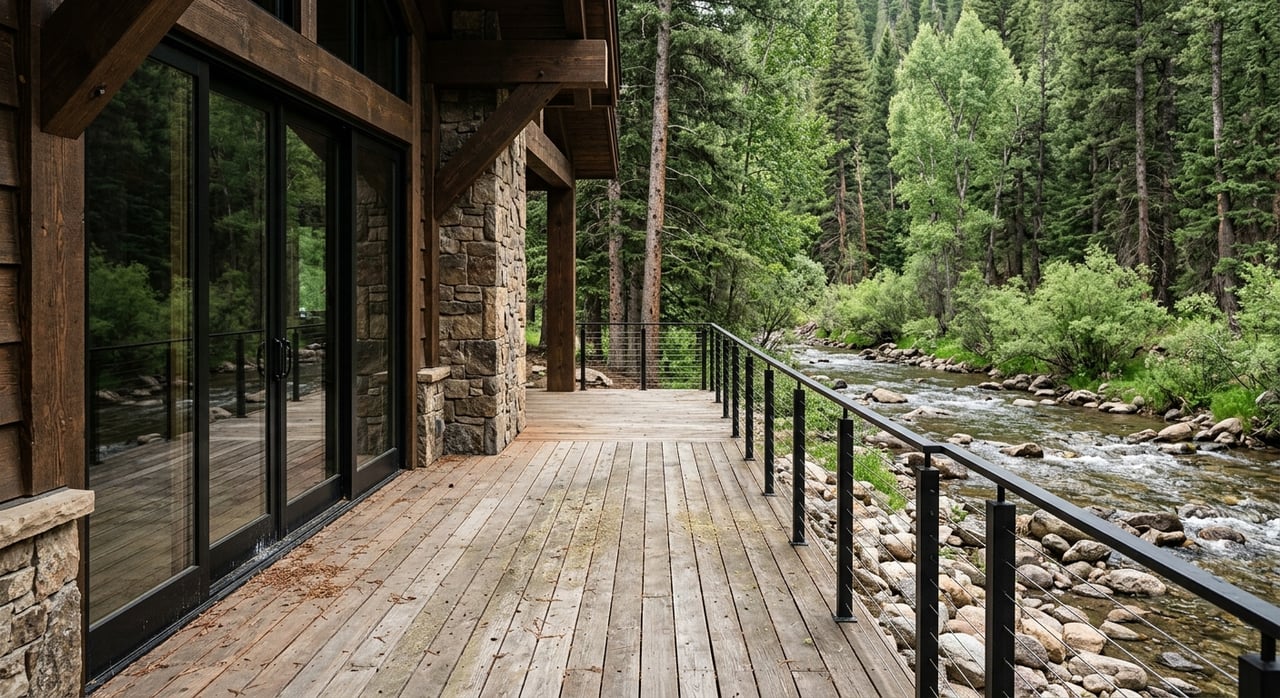
One of Drake’s biggest draws is how closely everyday life connects with the Big Thompson River. The river is a central part of the area’s identity and a major reason many buyers are drawn to the canyon.
Larimer County’s Big Thompson Parks system includes Glade, Narrows, Forks, and Sleepy Hollow parks. These parks provide public river access for fishing and picnicking with no entrance fee, and they are open from April through October.
Sleepy Hollow Park in Drake is described by the county as a popular fly-fishing spot, although parking is limited. Glade Park reopened in early 2025 after restoration related to the 2013 flood and now includes a 0.6-mile soft-surface trail loop along with fishing access.
The county also describes the canyon landscape in vivid terms, with native trout, ponderosa pine forests, sage shrublands, and wildlife. If you are looking for a place where outdoor access feels woven into daily life, Drake stands out.
Near Rocky Mountain National Park
Drake also benefits from being near one of Colorado’s best-known outdoor destinations. Rocky Mountain National Park is close to the area, with east-side entrances near Estes Park.
The National Park Service says the park offers more than 350 miles of hiking trails. Many of the most visited destinations are along the Bear Lake Road Corridor near the Beaver Meadows Entrance.
If year-round access to high-country scenery is part of your plan, it helps to know that Trail Ridge Road is seasonal. The road is typically closed to through travel from mid-October to late May, weather permitting.
What Homes in Drake Often Look Like
Drake’s housing stock tends to feel individual rather than subdivision-driven. Current market snapshots show a compact mix of single-family homes, land listings, and waterfront properties.
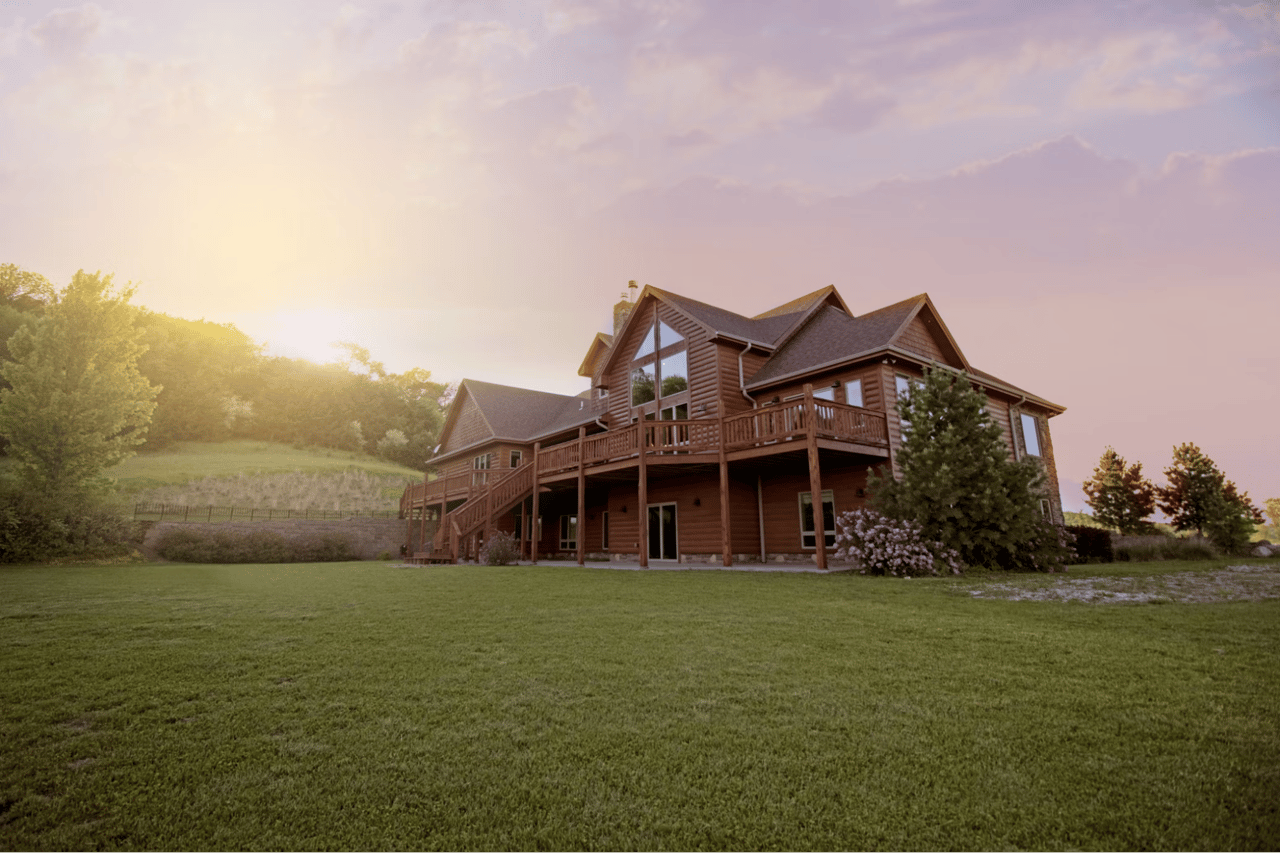
The examples in the current inventory lean rustic, site-specific, and mountain-oriented. Listings and recent sales include log-cabin-style homes on small acreage, riverfront cabins, and custom off-grid properties with features like solar, cisterns, wells, septic systems, and propane.
That variety is part of what makes Drake appealing. You may find anything from a century-old mountain cabin to a more custom rural home designed for full-time living or a weekend retreat.
For buyers, this also means each property deserves close review on its own terms. In Drake, two homes at a similar price point may have very different utility setups, access considerations, and improvement potential.
Land Opportunities in Drake
Land plays an important role in the Drake market. Current land listings range from under an acre to more than 153 acres, which gives buyers a wide spread of options depending on goals and budget.
Listing descriptions often emphasize buildable areas, mountain views, nearby protected land, and wildlife. That can be exciting if you want to create something tailored to your needs, but it also means extra due diligence is important before you move forward.
Because Drake is in unincorporated Larimer County, buyers looking at land should pay close attention to zoning, building review, and address assignment. Understanding what can be built, how a site is accessed, and how utilities may need to be handled is a major part of the process.
Mountain Property Due Diligence
In a canyon community like Drake, due diligence is not just a box to check. It is one of the most important parts of buying wisely.
Larimer County’s Building Division oversees permits, inspections, and code enforcement for unincorporated properties. The county has also adopted a 2025 Wildfire Resiliency Code that takes effect January 1, 2026, which is another important consideration if you are buying land, planning improvements, or comparing properties with different levels of readiness.
Flood history also matters here. Larimer County notes that it acquired Big Thompson canyon parcels after the devastating 1976 flood, and CDOT says the canyon corridor was heavily damaged again during the 2013 floods.
For that reason, it is smart to look closely at factors like:
- Road access to the property
- Proximity to the river
- Site drainage
- Utility setup
- Existing improvements and permit history
- Building and wildfire-related requirements at the county level
These are not reasons to avoid Drake. They are simply part of understanding a mountain market that works differently from a standard suburban purchase.
Why Buyers Are Drawn to Drake
Drake appeals to buyers who want a quieter canyon setting without being far from Estes Park or Loveland. The area offers a sense of privacy, strong outdoor access, and a housing mix that often feels more distinctive than what you see in larger residential developments.
It can also be a fit for several types of buyers, including those looking for a full-time mountain home, a second home, a cabin retreat, or land for a future build. What ties those buyers together is usually the same goal: finding a property that feels connected to the landscape.
That said, Drake is rarely a plug-and-play market. The right fit usually comes from matching your lifestyle and comfort level with the realities of canyon driving, rural utilities, and county oversight.
How to Evaluate Drake Real Estate
If you are exploring Drake real estate, it helps to approach the search with a clear set of questions. A beautiful setting is only part of the picture.
Consider asking:
- How easy is the property to reach in different weather conditions?
- Is the home connected to typical rural utilities like well, septic, propane, cistern, or solar?
- If it is land, what county approvals or studies may be needed before building?
- How does the property’s river proximity affect access, drainage, or future planning?
- Does the location support your goals for full-time living, part-time use, or investment?
These questions can help you focus on properties that fit both your vision and your comfort level with mountain living.
If Drake is on your radar, local guidance can make a big difference. Working with a mountain-savvy team can help you compare homes, cabins, and land with the right context for access, utility setup, and county-level considerations. When you are ready to explore the canyon lifestyle or talk through your options, connect with Estes Park Team Realty.
FAQs
What is Drake, Colorado known for?
- Drake is known as an unincorporated Larimer County community in the Big Thompson Canyon, with strong ties to river access, mountain scenery, and canyon living along US 34.
How far is Drake from Estes Park?
- Larimer County places Sleepy Hollow Park in Drake about 8.3 miles east of Estes Park.
What kind of real estate is available in Drake, Colorado?
- Drake typically offers a mix of single-family homes, cabins, waterfront properties, and land, with many properties featuring rural or mountain-specific characteristics.
What should buyers know about building in Drake?
- Because Drake is in unincorporated Larimer County, buyers should review county zoning, permitting, inspections, address assignment, and applicable building and wildfire-related requirements before planning construction or major improvements.
Is Drake, Colorado good for outdoor recreation?
- Drake offers convenient access to Big Thompson River parks for fishing and picnicking, and it is also near Estes Park entrances to Rocky Mountain National Park.
How important is road access in Drake, Colorado?
- Road access is very important because US 34 is the main corridor through the canyon, and weather or disruptions can affect travel time and route options more than buyers might expect from the map alone.